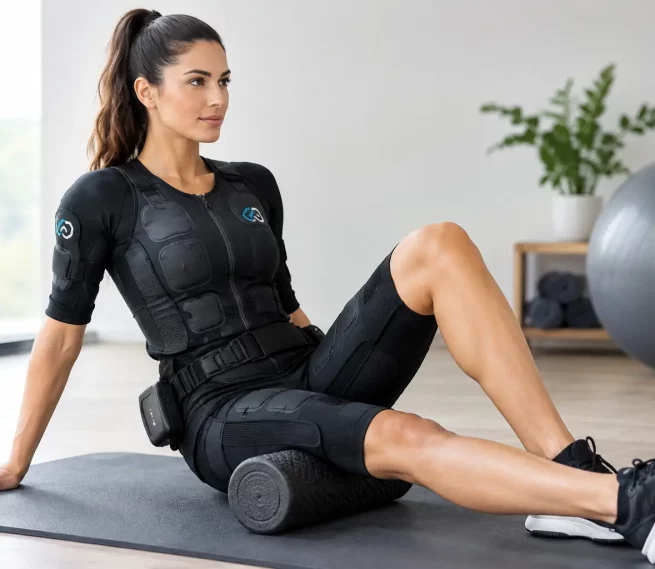
A hard session should leave you feeling trained, not wrecked for three days. For busy professionals, parents and anyone managing a demanding schedule, that distinction matters. The most useful recovery and wellness trends in fitness are not about adding another hour to your week or buying every new gadget. They are about training with enough precision that your body can adapt, perform and keep moving forwards.
The old mindset rewarded exhaustion. The better standard is progress you can repeat: stronger movement, better posture, improved stamina, less stiffness and a plan that fits real life. That means recovery is no longer the quiet part after training. It is becoming part of the programme itself.
Recovery and wellness trends in fitness are becoming more personal
Generic plans are losing ground because people are rightly asking better questions. Why is my lower back tight after certain sessions? Why does my energy dip halfway through the week? Why am I training consistently but not seeing a change in body composition or mobility?
The answer is rarely to simply work harder. It may be sleep, stress, training load, technique, nutrition, a previous injury or a programme that does not match the individual. Personalised coaching brings these factors together, turning recovery from guesswork into an informed decision.
At E-Pulse Studio, that begins with understanding the person in front of us, not just the goal written on a form. A client returning after back pain needs a different starting point from a runner preparing for an event, even if both want to feel fitter and leaner. The right programme gives each person a clear next step and the confidence to take it.
Measurable progress is replacing vague motivation
Wellness can sound subjective, but progress does not have to be. Body composition, movement quality, strength, mobility, fitness markers and how you feel between sessions all provide useful feedback. Tools such as 3D body scanning can make physical changes easier to see when the mirror or scales tell only part of the story.
This is especially valuable when fat loss is not the only target. Someone may hold similar body weight while building muscle, standing taller, moving more freely and feeling far more confident in their clothes. That is not a lack of progress. It is a reminder to measure the outcome that actually matters.
The new status symbol is recovery capacity
People once compared how many sessions they could cram into a week. Increasingly, the smarter question is how well they recover from the work they do. Recovery capacity is the ability to train, adapt and return ready for the next session without constantly carrying fatigue, soreness or niggling pain.
Sleep remains the foundation. No recovery trend can fully compensate for poor sleep, particularly when work stress is high. A consistent bedtime, a calmer wind-down routine and sensible caffeine timing may sound basic, but they often make a bigger difference than expensive recovery products.
Nutrition is moving in the same direction: less extreme restriction, more consistency. Adequate protein supports muscle repair and helps with appetite control, while regular meals, fluids and fibre support energy and general wellbeing. Supplements can be useful where they meet a genuine need, but they should support good habits rather than disguise poor ones. Quality and suitability matter, particularly if you take medication or have a health condition.
Mobility is being treated as performance work
Mobility is not just a quick stretch at the end of a class. It is your ability to control useful movement through a comfortable range. For someone who sits at a desk, that may mean improving hip and upper-back movement. For a golfer, it could mean creating smoother rotation. For a runner, it may be better ankle control and hip stability.
The trend worth following is targeted mobility, not random stretching. The best approach depends on where you are restricted, what your sport or job demands and whether pain is involved. If a movement causes sharp, worsening or unexplained pain, training through it is not a badge of honour. It is a reason to seek appropriate clinical advice and adjust the plan.
Efficient training is changing the recovery equation
More training is not always better training. Long gym sessions can work brilliantly for people who enjoy them and can recover from the volume. But for many people, the real barrier is not motivation. It is time.
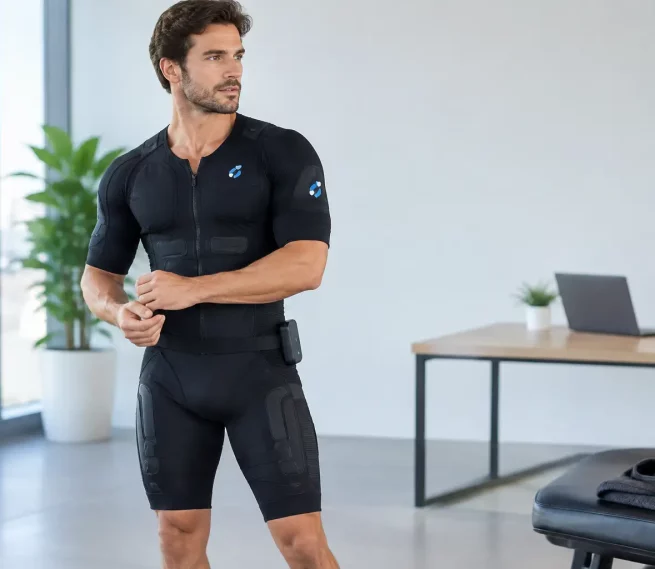
This is why coached, time-efficient formats are gaining attention. EMS training, for example, uses electrical muscle stimulation alongside controlled exercise under trainer guidance. Sessions are short, but the work can be demanding because the programme is designed around effort, form and individual capacity.
The trade-off is important. EMS is not a magic replacement for daily movement, good nutrition or sleep, and it is not appropriate for everyone. It should be properly screened, supervised and progressed sensibly. Used well, however, it can be a practical option for people who want focused strength and conditioning work without spending several evenings each week in a conventional gym.
For a busy parent, that may mean finally keeping a consistent training routine. For a professional with a packed diary, it can mean turning a missed-gym pattern into one coached session they actually complete. Consistency is where transformation starts.
Nervous-system recovery is moving into the mainstream
The body does not separate a stressful meeting, poor sleep and a tough workout as neatly as we do. All of them contribute to total load. That does not mean avoiding challenging training whenever life gets busy. It means learning when to push, when to maintain and when to recover.
A strong coach watches for signs that a client needs adjustment: performance dropping unexpectedly, poor technique, unusually heavy fatigue, disrupted sleep or soreness that lingers. Some weeks are for progressing load. Others are for refining movement, lowering intensity and protecting the habit. Both can move you towards your goal.
Simple recovery practices can help here. A walk outside, controlled breathing, gentle mobility work and a screen-free period before bed will not look dramatic on social media, but they can help create the conditions for better training. The best wellness routine is often the one you can repeat on an ordinary Wednesday, not just on a perfect Sunday.
Community and accountability are part of wellbeing
Fitness technology is becoming more advanced, but people still need people. A trainer who knows your goals, notices changes in your movement and expects you to show up can make the difference between a short-lived burst of effort and a lasting routine.
That support is particularly powerful for beginners, those returning after injury or anyone who has felt overlooked in a large gym. Progress feels safer when you are coached rather than left to work it out alone. It also feels more rewarding when someone recognises the changes that may not appear on a scale: your first pain-free squat, improved posture at work or the confidence to take the stairs without thinking twice.
Build a recovery plan you can actually keep
Start by matching your training to your current life, not your ideal diary. If you can reliably protect two short sessions and a daily walk, that is more valuable than promising six workouts and completing one. Then make recovery visible: set a realistic sleep target, include protein and fluids in your day, and notice how your energy and movement respond.
Finally, use your results to guide the next phase. If your strength is improving but your back remains stiff, the answer may be more targeted mobility rather than more intensity. If your sessions feel flat, look at sleep, stress and food before assuming you need a tougher programme.
The fitness trends that last are the ones that make you more capable outside the studio as well as inside it. Train with purpose, recover with equal intent, and give yourself a plan that is built for the life you actually lead.
 7min
7min