You do not need another lecture about finding an extra hour in the day. If you are juggling work, family, a commute and a body that already feels tired, the real question is simpler: is a 20 minute workout enough to make a visible difference? In many cases, yes. But the honest answer is not just about time. It is about what you do in those 20 minutes, how often you do it, and what result you actually want.
For some people, 20 focused minutes can be far more effective than an unfocused hour in a busy gym. For others, it will be a strong starting point, but not the full picture. The key is knowing the difference.
Is a 20 minute workout enough for real results?
If your goal is better fitness, improved energy, more consistency, fat loss support or building a stronger routine, 20 minutes can absolutely be enough. That is especially true when training is structured, coached and challenging enough to create a real training effect.
What tends to hold people back is not always lack of effort. It is wasted effort. Long rests, scrolling between sets, repeating the same easy routine, or trying to train without a clear plan can make a 60 minute session feel productive while delivering very little. A shorter workout with proper intensity often does more.
This is why many busy professionals and parents do well with shorter sessions. They can commit to them, recover from them and repeat them week after week. That consistency is where results come from.
That said, 20 minutes is not a magic number. If you want elite endurance, maximum muscle size or sport-specific performance at a very high level, you may need more total training volume across the week. Short sessions work brilliantly, but they still need to match the goal.
What makes 20 minutes enough?
A 20 minute workout works when it has intent. It needs enough resistance, enough effort and enough progression to tell the body it has to adapt.
If you spend those 20 minutes moving with purpose, keeping rest tight and challenging the muscles or cardiovascular system properly, you can improve strength, stamina and body composition over time. If those same 20 minutes are too easy, too random or too infrequent, the outcome will be limited.
There are three main factors that decide whether a short workout delivers.
Intensity matters more than duration
This does not mean every session should leave you flat on the floor. It means the body needs a reason to change. In strength work, that might be controlled resistance that truly challenges the muscles. In conditioning, it might be intervals that lift your heart rate and improve recovery between efforts.
A brisk 20 minute session with focus will usually outperform a longer session done at half effort. This is one reason high-efficiency training methods have become so popular with people who want results without living in the gym.
Exercise selection matters
Short sessions leave no room for filler. Big movements and well-planned sequences are what make the difference. Squats, presses, pulls, lunges, core work and intervals can give you far more return than isolated exercises done with long breaks.
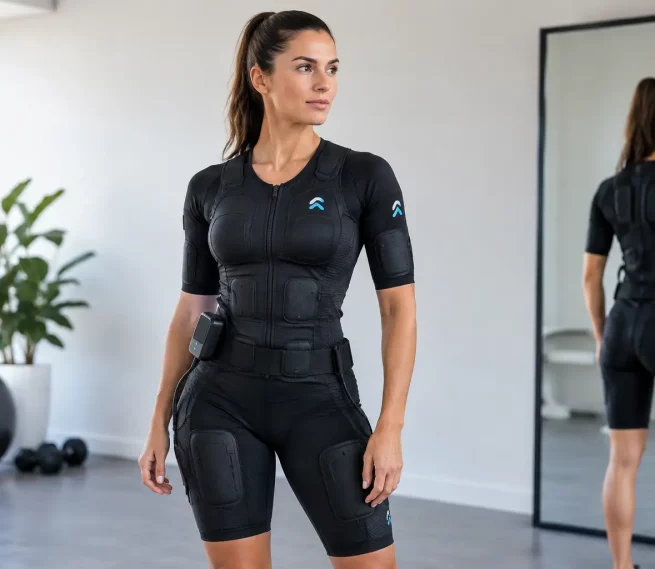
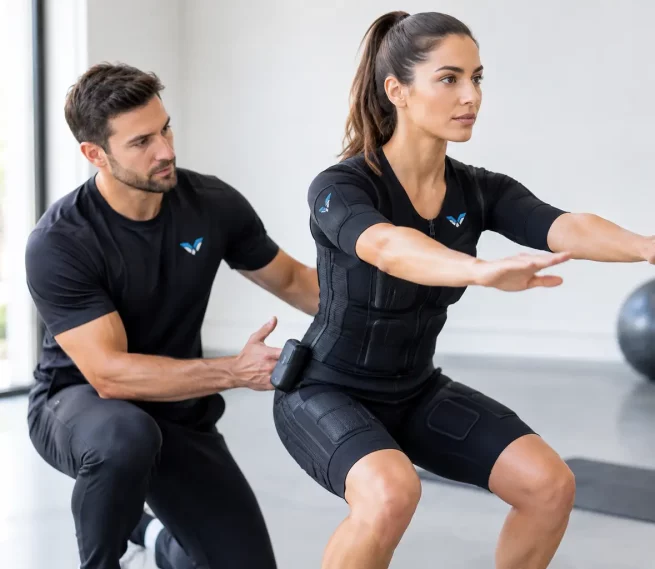
The same principle applies with coached EMS training. Because the muscles are being recruited in a highly targeted way while you work through functional movements, the session can create a strong stimulus in a short amount of time. That is why this format appeals to people who want measurable progress but have limited time.
Frequency matters
One 20 minute workout a week is better than nothing, but it is not the same as training two or three times a week. Shorter sessions become powerful when they are regular.
Think of it this way: 20 minutes done three times weekly gives you an hour of quality training. Over a month, that becomes a meaningful amount of work. Over six months, it can transform strength, shape, posture and energy levels.
When 20 minutes is enough for fat loss
Many people asking is a 20 minute workout enough are really asking if it will help them lose body fat. The answer is yes, but not in isolation.
Fat loss depends on your overall energy balance, activity levels, sleep, stress and nutrition. A 20 minute workout can support fat loss by increasing energy expenditure, building muscle and improving fitness so you can train more consistently. It can also help regulate appetite and boost confidence, which often improves food choices.
What it cannot do is override poor habits everywhere else. If someone trains hard for 20 minutes but spends the rest of the day barely moving, sleeping badly and eating without structure, results will be slower.
Where short sessions shine is adherence. People are far more likely to stick to a plan that fits their life. And the best fat loss plan is the one you can actually maintain.
When 20 minutes is enough for strength and tone
For general strength, muscle tone and body shaping, 20 minutes can work very well. In fact, many people do not need marathon sessions. They need progressive resistance, good technique and enough recovery.
Beginners often see excellent results from shorter sessions because almost any well-designed training is a new signal for the body. People returning after time away can also progress quickly with brief but consistent workouts.
More advanced trainees may need more volume depending on their goals. If someone wants significant muscle growth in multiple body parts, total weekly training load matters. Even then, 20 minute sessions can still be valuable, especially when used strategically across the week.
When 20 minutes may not be enough
There are situations where 20 minutes alone may fall short.
If you are training for a marathon, a long cycling event or a sport that demands extended endurance, you will likely need longer sessions somewhere in your programme. If your goal is high-level bodybuilding, you may also need more total sets and targeted work than 20 minutes allows.
The same applies if your current fitness is very low and you need more movement in general across the day. A short workout is excellent, but it should sit alongside walking, mobility work and better daily habits.
This is not a flaw in short training. It just means context matters. Enough for health is not always the same as enough for peak performance.
How to make a 20 minute workout count
If your time is tight, the quality of the session becomes everything. Start with a clear focus. Do not try to train every fitness quality at once. A session should have a job to do, whether that is lower-body strength, full-body conditioning, core and posture, or mobility with controlled resistance.
Work hard, but stay precise. Rushed reps and poor form do not make a workout better. They just make it messy. Good coaching helps here because it keeps intensity high without losing control.
Track your progress. If nothing changes in your session over time, your body has no reason to change either. That could mean increasing resistance, improving technique, reducing rest or moving through a stronger range of motion. Measurable progress is what keeps short training effective.
Finally, protect the basics outside the studio or gym. Walk more. Sleep properly. Eat enough protein. Manage stress where you can. A 20 minute workout is powerful, but it works best as part of a bigger pattern of care for your body.
Why short, coached training works for busy adults
For working professionals, parents and business owners, time is often the main barrier, not motivation. They want results, but they cannot justify losing half an evening several times a week. That is where efficient training becomes more than a convenience. It becomes the reason they can stay consistent at all.
This is also why trainer-led sessions tend to outperform DIY plans for many people. When the session is personalised, intense and tracked properly, you remove the guesswork. You know what you are doing, why you are doing it and whether it is working.
At E-Pulse Studio, that efficiency is exactly the point. Short sessions are designed to deliver a real stimulus, backed by coaching and measurable progress, rather than hoping more time automatically means better results.
The real answer to is a 20 minute workout enough
Yes, a 20 minute workout can be enough if it is structured well and repeated consistently. For many people, it is not just enough. It is the most realistic route to results they can actually maintain.
If your sessions are focused, challenging and part of a plan built around your goal, 20 minutes can improve fitness, support fat loss, build strength and help you feel better in your body. If the plan is vague or the effort is too low, even an hour will not save it.
The smartest training plan is not the one that looks impressive on paper. It is the one you can keep showing up for, even on your busiest week.
 8min
8min