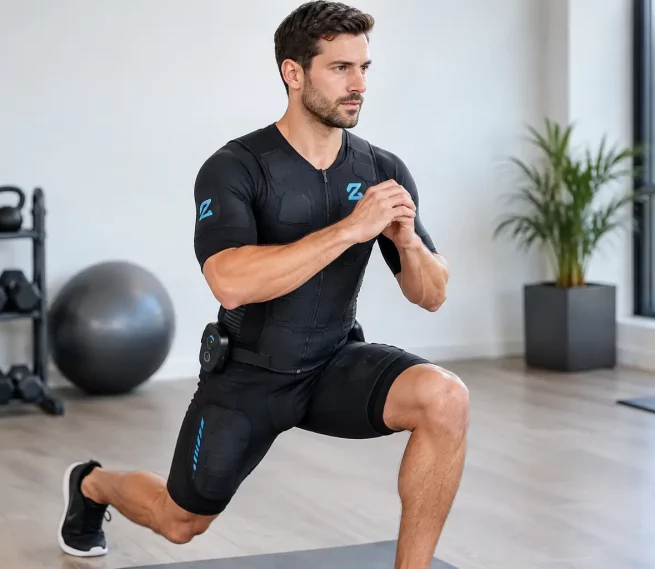
A packed diary does not make your strength, posture or energy levels any less important. That is where muscle stimulation can offer a smarter training option: focused, coach-led work that asks more of your muscles without asking for hours of your week.
For busy professionals, parents and anyone who has repeatedly fallen out of a gym routine, EMS training is not about finding a magic shortcut. It is about making every minute count. Used properly, it combines voluntary exercise with electrical impulses designed to encourage strong muscle contractions, while a trainer keeps the session safe, purposeful and matched to your ability.
What muscle stimulation actually does
Electro Muscle Stimulation, often called EMS, uses a specialist suit or electrodes to deliver controlled electrical impulses to major muscle groups. You still perform the movement. You squat, hinge, pull, press, brace and hold position. The stimulation simply increases the training demand on the muscles as you work.
Your brain normally tells a muscle to contract through electrical signals sent by the nervous system. EMS adds an external signal alongside that natural contraction. In a well-coached session, the intensity is adjusted gradually and precisely, so you can work hard without feeling overwhelmed.
This is why a 30-minute EMS session can feel very different from a quick circuit at a conventional gym. The goal is not to rush through as many exercises as possible. It is to create high-quality contractions, good movement patterns and enough challenge to give your body a clear reason to adapt.
The feeling is unusual at first. Most people describe a firm pulsing or buzzing sensation, followed by muscles working harder than expected during straightforward exercises. It should not feel sharp, painful or out of control. Good coaching matters because the right intensity depends on your training history, mobility, current energy levels and goals.
Why EMS muscle stimulation suits busy lives
Time is often the real barrier to consistency. A one-hour gym visit can easily become 90 minutes once travelling, waiting for equipment, changing and showering are included. When work, family and life are full, that commitment is difficult to repeat week after week.
A structured 30-minute session removes much of that friction. You arrive, train with a coach, receive clear instruction and leave knowing exactly what you have done. For someone who has been trying to fit exercise around an unpredictable schedule, that simplicity can be the difference between another false start and a routine that lasts.
The other advantage is accountability. It is easier to skip a workout when nobody is expecting you. In a coached EMS setting, your trainer can adapt the session if you are tired, progressing quickly, returning from injury or preparing for an event. You are not left guessing whether you should add weight, change an exercise or push through discomfort.
At E-Pulse Studio, progress can also be tracked with 3D body scanning rather than relying only on the scales. Body weight can shift for many reasons, including hydration and muscle gain. Measurements, posture, body composition trends and performance markers create a more useful picture of what is changing.
The results that matter most
People arrive with different targets, but the strongest results usually come from a clear, practical goal. You may want to feel firmer and stronger, reduce body fat, improve your running economy, move more comfortably or stop getting to the end of the day with a tight lower back and poor posture.
EMS can support strength and muscle tone because it challenges large muscle groups efficiently. It can also be valuable for core control and postural muscles, particularly when paired with exercises that teach you how to brace, hinge and stand well. That does not mean every ache disappears after one session. Mobility restrictions, old injuries, workload, sleep and stress all matter. Progress is usually built through regular training, not one heroic workout.
For body composition, the formula is equally honest. EMS may help you build or retain muscle and train with greater consistency, but fat loss still depends on overall energy balance, nutrition, daily activity and recovery. The best plan is one you can follow without turning your life upside down. A sensible nutrition approach, sufficient protein and realistic habits will always outperform an extreme plan abandoned after ten days.
For performance-minded clients, muscle stimulation can complement a sport rather than replace it. A runner still needs to run. A golfer still needs to practise their swing. A combat athlete still needs technical training. EMS can help strengthen the legs, glutes, core and upper body around those demands, while keeping gym time concise.
Muscle stimulation for recovery, mobility and pain
Training around pain needs judgement, not bravado. If you have been avoiding exercise because your back feels stiff, your knees lack confidence or you are returning after a setback, the right starting point may be lower intensity and more controlled movement.
EMS sessions can be adapted to support mobility work, posture and gradual strength-building. The trainer can reduce stimulation, select stable positions and focus on technique before progressing demand. This can make training feel more accessible for people who find heavy free weights intimidating or aggravating.
However, EMS is not a diagnosis or a replacement for medical care. New, severe or unexplained pain should be assessed by an appropriate healthcare professional. The same applies if you have a medical condition, implanted electrical device, are pregnant, or have been advised to avoid intense exercise. A proper consultation should come before training, and an experienced coach should know when to refer rather than simply turn up the intensity.
Recovery also needs perspective. A lighter EMS session may support circulation and help you feel less stiff, but recovery is still shaped by sleep, nutrition, hydration and how much stress you are carrying. The best programme has hard sessions, easier sessions and enough space for your body to respond.
What a good EMS session looks like
The quality of the coaching is more important than the novelty of the kit. A strong session begins with a conversation about how you feel, what you trained recently and what you are working towards. Your trainer then checks the fit of the suit, sets each muscle group at an appropriate level and explains the movements before increasing the challenge.
You might work through controlled squats, lunges, rows, presses, core holds and mobility-based patterns. The exercises can look simple from the outside, but the combination of tension, tempo and stimulation makes technique essential. Rushing through repetitions is not the aim. Feeling the correct muscles work is.
As you become more confident, your programme should evolve. That may mean improved range of motion, longer periods under tension, more demanding positions or changes that better support your sport and lifestyle. Your first session should not look identical to your twentieth.
Who gets the most from EMS training?
Muscle stimulation tends to work best for people who value consistency and are willing to be coached. Beginners often appreciate the structure and the fact that every exercise is scaled to them. Experienced gym-goers may value the efficiency, measurable tracking and an extra strength stimulus alongside their usual training.
It is particularly useful if your main obstacle is time. If you can commit to regular 30-minute sessions, maintain everyday movement and make reasonable nutrition choices, you have a realistic foundation for change. If you want a device to do all the work while habits stay the same, disappointment will follow.
There is a trade-off too. Traditional resistance training remains excellent for developing skill with barbells, dumbbells and heavier loads. Some people simply enjoy a long gym session, and there is nothing wrong with that. EMS is not here to replace every form of exercise. It is a high-efficiency tool for people who want expert-led strength training in less time.
How to make your results last
The first few weeks are about learning the sensation, improving movement quality and establishing attendance. Avoid judging the process solely by the mirror after two sessions. Look for practical signs too: stairs feel easier, your clothes fit differently, your back feels less fatigued at your desk, or you can hold a stronger position during training.
Set a target you can measure, then give it enough time to work. Keep your sessions regular, eat to support the goal, and tell your coach when sleep, stress or pain has changed. Honest feedback allows your programme to stay challenging without becoming reckless.
Your body does not need more punishment. It needs the right stimulus, delivered consistently, with someone in your corner who knows how to move you forward. A focused 30 minutes can become a powerful appointment with the stronger, more capable version of you.
 8min