At 6.15pm, after a full day of work, school runs or meetings, the difference between a boutique fitness studio versus big gym becomes very real. Do you want another hour spent deciding what to do, waiting for equipment and hoping you stay motivated? Or do you want a focused session with a coach who knows your goal, your body and what you need to do next?
Both options can improve your health. The better choice depends on what has stopped you from getting results before: lack of time, lack of confidence, no clear programme, recurring aches, or simply not having anyone hold you accountable. For busy people, the best training environment is rarely the biggest one. It is the one you can return to consistently and trust to move you forward.
Boutique Fitness Studio Versus Big Gym: The Real Difference
A big gym is built around access. You pay for a wide range of machines, weights, classes and opening hours, then create your own experience within it. That freedom suits experienced gym-goers who enjoy programming their own sessions and have the discipline to train independently.
A boutique studio is built around guidance. Rather than being left to work out your own plan, you train within a coached structure designed around your starting point and objective. The session is usually more focused, the environment less intimidating, and your progress more visible.
Neither approach is automatically superior. A large gym can be excellent value if you use it regularly and know how to train well. But a low monthly fee is not great value if you attend twice, feel unsure what to do, and lose momentum by February.
The key question is not, “Which membership costs less?” It is, “Which environment gives me the best chance of doing the work consistently and seeing a measurable change?”
Why Coaching Changes the Experience
In a self-service gym, the responsibility sits almost entirely with you. You choose the exercises, decide the intensity, manage your form and judge when to progress. For some people, that independence feels empowering. For others, especially beginners or people returning after injury, it can feel like a barrier before they have even started.
At a boutique fitness studio, the coach is not just there to count reps. They observe how you move, adjust your technique, challenge you when you are capable of more, and adapt the session when something does not feel right. That level of attention can make training safer, more productive and far less mentally draining.
It also reduces the familiar cycle of doing too much in week one, becoming sore or discouraged, then disappearing for weeks. Progress works better when the plan is demanding enough to create change but realistic enough to sustain.
We regularly hear a version of the same story from clients: they had a gym membership for years, knew exercise would help, but never found a routine that stuck. The breakthrough was not more willpower. It was an appointment, a coach and a clear plan.
Accountability is a practical advantage
Accountability can sound like a nice extra until life gets busy. When your training session is booked and someone is expecting you, it is much harder to let work, chores or tiredness take over every time.
That does not mean every session needs to be perfect. It means you keep showing up. A good coach can scale a session around low energy, a stressful week, sore joints or a specific performance target without making you feel that you have failed. Over months, that consistency is what changes body composition, strength, confidence and fitness.
Time: The Factor Most People Underestimate
Many big gyms offer 24-hour access, which is genuinely useful for shift workers and people with unpredictable schedules. Yet access is not the same as efficiency. A 60-minute gym visit can easily become 90 minutes once you include travelling, changing, warming up, choosing exercises, waiting for equipment and cooling down.
Boutique studios tend to remove much of that friction. Sessions begin at a set time, the programme is ready, and the coach keeps the workout purposeful. For people balancing demanding careers, young families or both, this can be the difference between training becoming a regular habit or another item left on the to-do list.
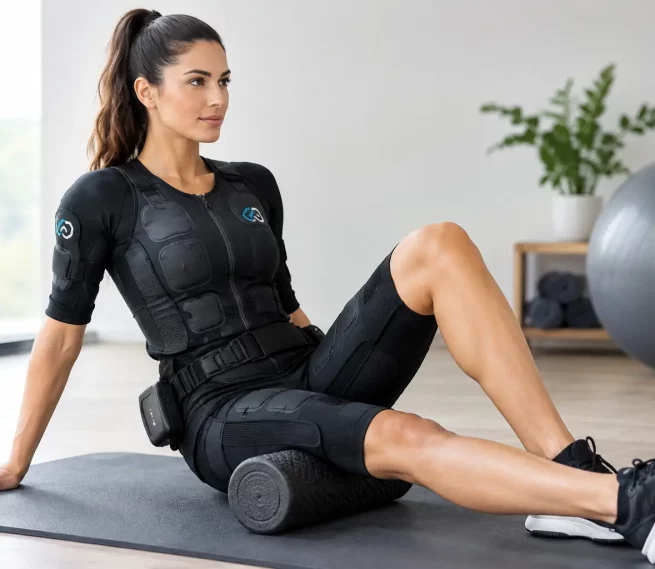
At E-Pulse Studio, EMS personal training takes this efficiency further. EMS uses electrical muscle stimulation alongside guided exercise to create a high-intensity, full-body training stimulus in a short, coach-led session. It is not a shortcut that removes the need for effort. You still move, work and progress. The difference is that the format can make serious training more practical for people who cannot, or do not want to, spend hours in a conventional gym.
For someone whose biggest obstacle is time, a focused session can be more valuable than unlimited access to equipment they rarely use.
Technology and Measurable Progress
A mirror can tell you whether you feel better about how you look, but it cannot always show the full picture. Strength, posture, mobility, stamina and body composition often change at different speeds. This is where a boutique model can offer a stronger experience, particularly when it uses assessment tools rather than guesswork.
3D body scanning and regular check-ins can help turn vague goals such as “tone up” or “get fitter” into a measurable plan. You can track changes in circumference, posture and composition, then use that information to guide your next phase of training.
That feedback matters when motivation dips. The scales may not move in a particular week, but improved muscle tone, better movement, stronger performance or a reduction in discomfort can show that your effort is working. A coach can also spot when the plan needs changing rather than letting you repeat the same routine with diminishing returns.
For runners, golfers and combat athletes, that detail can support performance goals too. Training can prioritise strength, mobility, core control and recovery around the demands of the sport, instead of relying on a generic workout found online.
What a Big Gym Still Does Very Well
A fair comparison needs to acknowledge the strengths of the big gym. If you love training independently, want extensive equipment variety, or enjoy lifting for longer sessions several times a week, a large gym may be exactly right for you. It can also be a cost-effective option for experienced members who already have a sound programme and do not need regular coaching.
Big gyms are also useful when you want the flexibility to train at unusual hours or combine cardio, swimming, classes and resistance work in one location. There is no reason a motivated, knowledgeable person cannot get excellent results there.
The trade-off is that you are largely responsible for turning those facilities into a consistent, progressive plan. You may get an induction, but you are unlikely to receive ongoing personal attention each time you train. If you need structure, confidence or adaptation around pain and mobility, that gap can matter.
The Cost Question: Membership Price Versus Value
It is easy to compare a lower monthly gym fee with the higher investment of a premium coaching studio and stop there. But consider what you are actually buying.
A standard membership buys access. A boutique membership or package may include expert coaching, tailored programming, session planning, progress reviews, training technology and a smaller, more personal environment. For a person who uses all of that support, the value can be substantial because it improves the likelihood of a result.
The right choice also depends on your relationship with commitment. Some people prefer a low-cost membership because it creates less pressure. Others need a booked session and a financial commitment to protect their training time. Neither is wrong, but honesty helps. Think about what has worked for you over the past year, not the version of you who plans to start on Monday.
Who Benefits Most From a Boutique Studio?
A boutique format is often a strong fit if you are new to training, short on time, returning after a break, managing limited mobility, or tired of inconsistent gym routines. It can also suit people with specific goals such as fat loss, improved posture, strength development, better stamina or sport performance.
It is particularly valuable when you want to be seen as an individual. Your energy levels, movement quality, injuries, confidence and goals all influence the right training plan. A one-size-fits-all workout may get you moving, but personalised coaching can help you progress with more purpose.
Before joining anywhere, ask how progress is assessed, what happens if you have pain or a mobility limitation, how programmes are adapted, and who will coach you week to week. The answers will tell you far more than the number of treadmills on the gym floor.
Choose the place that makes training feel achievable on your busiest week, not just exciting on your most motivated day. That is where lasting results begin.
 7min
7min