The packed gym floor is not the problem. The problem is leaving it unsure whether you trained properly, progressed meaningfully or simply ticked exercise off the list. Boutique fitness changes that experience by putting coaching, structure and accountability at the centre of every session – particularly valuable when your time is limited and your goals matter.
For busy professionals, parents and business owners, fitness has to fit real life. It needs to build strength, improve energy and support confidence without demanding endless hours each week. A well-run studio model provides a more focused route: a clear plan, expert eyes on your movement and progress you can see rather than guess.
What boutique fitness really means
Boutique fitness is not simply a smaller gym with nicer lighting. It is a specialist training environment built around a defined method, a closer coaching relationship and a deliberately limited number of members per session.
Instead of being handed a programme and left to work it out alone, you train with a coach who understands your starting point, your objective and the barriers that have stopped you being consistent before. That might be a demanding diary, recurring back discomfort, a confidence dip after time away from training or frustration at putting effort in without seeing change.
The best studios make every detail purposeful. Sessions are planned. Coaches correct technique in the moment. Progress is reviewed. The atmosphere is supportive, but it also has standards. You are expected to turn up, work with intent and build momentum.
That level of attention is why boutique training can suit both complete beginners and experienced exercisers. Beginners gain reassurance and a clear starting point. More advanced members gain coaching precision, progression and a training environment that does not waste their time.
Why the boutique fitness model gets results
Results rarely come from finding the most complicated programme. They come from doing the right work consistently, at an appropriate intensity, and adjusting it as your body changes. Boutique fitness is designed to make those fundamentals easier to maintain.
Coaching turns effort into direction
A hard session is not automatically an effective session. If your squat is limited by mobility, your running performance is held back by weak posterior-chain strength, or your shoulders are taking over every pressing movement, more effort may simply reinforce the issue.
A skilled coach identifies what needs attention and adapts the session accordingly. This matters for body composition goals, performance targets and recovery from a period of inactivity. It also means your training can evolve rather than becoming the same routine repeated for months.
Small groups create real accountability
There is a difference between exercising near people and being coached as part of a group. In a small-group environment, trainers can still see your technique, know your target and push you at the right moment. The group brings energy without making you feel anonymous.
For many people, that is the missing ingredient. Motivation is unreliable when it depends on how you feel after a long day. A booked session, a familiar coach and a group expecting you to show up create a stronger routine than good intentions alone.
Measurement keeps the goal honest
The scales can be useful, but they do not tell the full story. Changes in body composition, strength, mobility, posture, stamina and how your clothes fit often reveal progress that body weight misses.
That is why body analysis and regular check-ins have a place in a premium studio experience. They replace vague promises with evidence. If fat loss has stalled, a coach can look at training consistency, recovery, daily activity and nutrition habits. If strength is improving but mobility is not, the programme can be adjusted before a small limitation becomes a bigger frustration.
Where EMS fits into boutique training
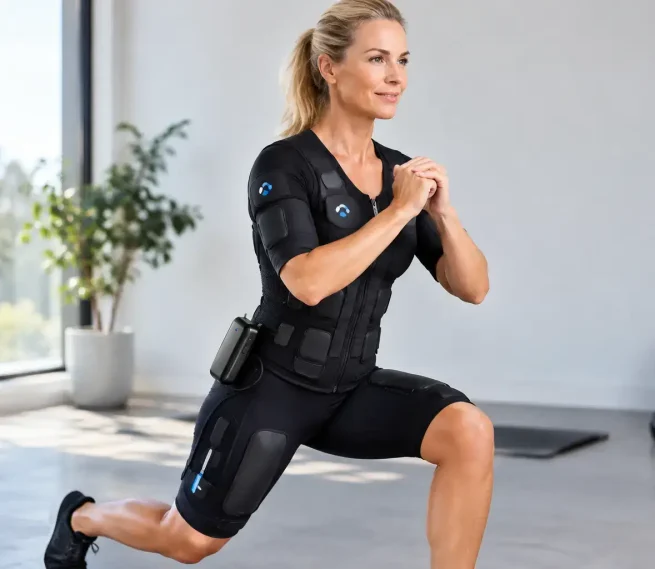
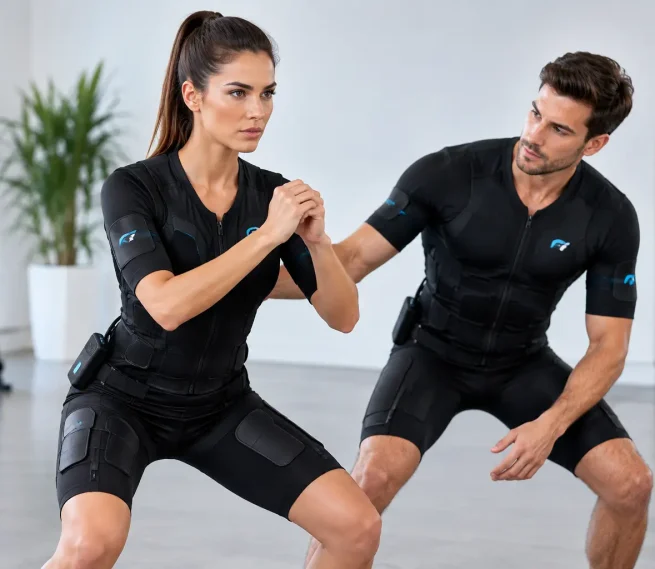
Electro Muscle Stimulation, or EMS, is a particularly strong fit for people who want a time-efficient, coach-led method. During an EMS session, controlled electrical impulses are used alongside purposeful movement to recruit muscles while you train. The coach remains central to the process, guiding your technique, intensity and progression.
At E-Pulse Studio, EMS personal training and small groups of up to eight people are built around 30-minute sessions. This approach can be especially appealing if conventional gym training has fallen away because it feels too time-consuming, too repetitive or difficult to prioritise.
The appeal is not that technology removes the need for effort. It does not. You still need good movement, commitment and sensible recovery. What it can do is make short sessions highly focused, helping clients work towards improved strength, muscle tone, conditioning, posture and mobility without spending several evenings a week on the gym floor.
For someone returning after injury, managing aches or rebuilding confidence, the individual coaching element is crucial. Training should be adapted to your current capacity, not forced into a one-size-fits-all class. EMS is not suitable for everyone, and a reputable studio will screen you properly, discuss relevant health considerations and advise whether it is the right route for you.
The trade-off: boutique training is more intentional
Boutique fitness is not for someone who wants unlimited access to equipment at the lowest possible monthly cost. A large commercial gym may be the better choice if you enjoy training independently, have a reliable programme and genuinely use the membership several times a week.
A specialist studio is an investment in guidance, convenience and coaching quality. You are paying for a more personal service, not just a room full of equipment. For a person who is already highly self-motivated and technically confident, that level of support may be more than they need.
But if you have repeatedly paid for gym access without building a routine, the calculation changes. A shorter, coached session that you attend consistently can offer far more value than a cheaper membership that goes unused. The right question is not only, “What does this cost?” It is, “What helps me train consistently enough to achieve the outcome I want?”
Choosing the right boutique fitness studio
The quality of the coaching should always come before the trendiness of the concept. Ask how your starting point will be assessed, how progress will be measured and how the team adapts training when you are tired, stressed, travelling or dealing with discomfort.
Look for a studio that can explain its method clearly without promising miracles. Real body transformation takes consistency. Better fitness takes progressive challenge. Pain reduction and rehabilitation support require an individual approach and, where necessary, collaboration with appropriate healthcare professionals.
You should also pay attention to how the place feels. The strongest studios are welcoming without being soft on standards. You should feel comfortable asking questions, yet confident that your coach will challenge you when you are capable of more.
A good first session should leave you with clarity. You should understand your current position, the next steps and what a realistic training rhythm looks like. If the recommendation does not fit your schedule, your experience level or your goal, it is not the right plan – however impressive the equipment may be.
Make your limited training time count
The biggest advantage of boutique fitness is not a trendy format or an exclusive postcode. It is the decision to stop leaving your progress to chance. When your training is coached, measured and built around your life, every session has a job to do.
Whether your aim is to feel stronger on the school run, move with less stiffness at your desk, improve your 5K time or finally see a visible change in your shape, start with a method you can repeat. Book the session, let a coach assess where you are now and give your next 30 minutes a clear purpose.
 7min