A change on the scales can be frustratingly vague. You may be training consistently, feeling stronger and noticing clothes fit differently, yet your bodyweight barely moves. That is exactly where a scan can offer a more useful picture. But are 3D body scans accurate? Yes, when used properly, they can be highly reliable for tracking changes in body shape and measurements over time. They are not, however, a magic verdict on your health, body fat or progress from one single appointment.
For busy professionals, parents and anyone who wants results without spending hours in a gym, the value is simple: a 3D scan turns progress into something you can see and measure. The key is knowing which numbers deserve your attention, and how to make each scan a fair comparison.
Are 3D body scans accurate for body measurements?
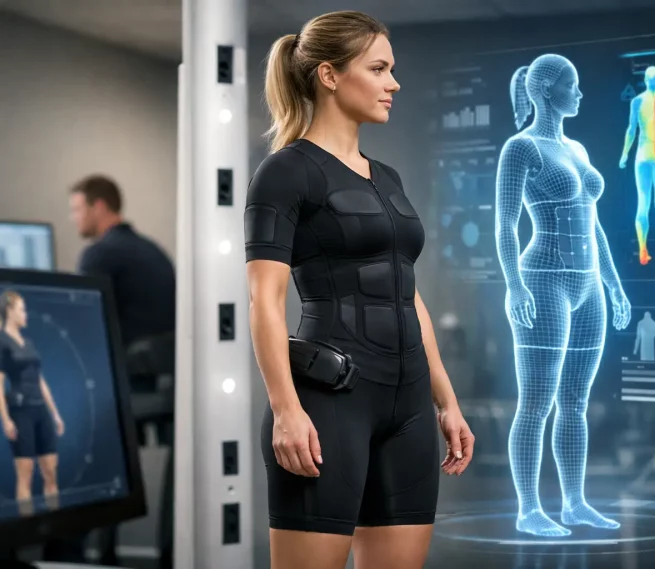
Most modern 3D body scanners use multiple cameras, sensors or infrared technology to create a digital model of your body. From that model, the software calculates circumference measurements around areas such as the waist, hips, chest, arms and thighs. It can also create visual comparisons that show changes in shape and posture.
For repeatable circumference measurements, 3D scanning is generally very accurate when the same person follows the same process each time. In many cases, it removes a major weakness of manual tape measurements: human inconsistency. A tape can sit slightly higher or lower, pull tighter on one day, or be measured by a different person. A well-calibrated scan follows a consistent method and captures far more data points than a tape measure can.
That does not mean every number is perfect to the millimetre. Clothing, posture, hydration, hair, foot position and even how you breathe can influence the result. A scan is best viewed as a precise progress-tracking tool, rather than an absolute clinical measurement.
The most useful question is not, “Is this number perfectly exact?” It is, “Have my measurements changed under comparable conditions?” If your waist measurement has reduced across several consistent scans while your strength and fitness are improving, that is meaningful progress.
What a 3D scan can tell you well
A good scan gives you far more context than bodyweight alone. It is especially helpful during body recomposition, where fat mass may be reducing while muscle is being built or maintained. In that situation, the scales can stay stubbornly similar even as your body looks and feels very different.
3D scans are particularly useful for spotting changes in circumference, overall body shape, left-to-right symmetry and posture trends. Side-by-side visual comparisons can be powerful because they show the changes that daily mirror checks often miss. You see yourself every day; gradual improvements can become almost invisible until they are placed next to your starting point.
For someone beginning a coached EMS programme, this can bring welcome clarity. A client may start with the goal of fitting comfortably into work clothes, reducing their waist measurement or rebuilding confidence after a period of inactivity. Their scan provides a measurable baseline, then shows whether their training, nutrition and recovery habits are moving in the right direction.
At E-Pulse Studio, scans work best as part of the coaching conversation. The scan is not there to judge you. It gives your trainer a practical reference point for adapting your programme and helping you recognise progress that the scales may not show.
Where 3D body scan results need context
Body composition figures deserve a little more caution. Some scanners estimate body fat percentage, lean mass or metabolic indicators through software calculations based on body dimensions and population data. These estimates can be useful for identifying a trend, but they are not the same as a clinical diagnostic test.
A body fat percentage from a 3D scan can vary from results produced by DEXA, skinfold measurements or bioelectrical impedance. That does not automatically make the 3D scan wrong. Each method has its own assumptions and sources of error. Hydration can affect bioelectrical impedance, for example, while even DEXA is not a flawless measure of body composition.
Treat estimated body fat as one part of the picture, not the only score that matters. Waist and hip measurements, photos, how your clothes fit, strength, mobility, energy levels and fitness performance all add valuable context. If an estimated percentage moves slightly from one scan to the next but your waist has reduced, your posture has improved and you are lifting or moving better, the bigger picture is positive.
3D scanning is also not designed to diagnose medical conditions, assess internal fat around organs or replace advice from a qualified healthcare professional. If you have a health concern, unexplained weight change or a condition affecting fluid retention, speak to your GP or relevant clinician.
Consistency makes the difference
The reliability of your comparison depends on creating similar conditions every time. Think of it like weighing yourself: stepping on the scales first thing in the morning gives a very different reference point from weighing yourself after a large meal, a hard session and several glasses of water.
Aim to scan at a similar time of day, ideally before training and before a big meal. Wear the same or similar close-fitting clothing each time, remove bulky items and follow the scanner’s instructions for your stance. Keep your arms, feet and posture consistent. If possible, avoid scanning immediately after intense exercise, a sauna or a very salty meal, as temporary changes in fluid balance and body appearance can affect what you see.
For many people, a scan every four to six weeks is a sensible rhythm. Weekly scans can encourage over-analysis because normal fluctuations are part of being human. Meaningful body-shape changes usually need time, especially if you are aiming to lose fat while preserving muscle.
Women may also see measurements and estimated body composition shift through different stages of the menstrual cycle due to water retention and bloating. That is not a failure in the plan or a fault in the scanner. Tracking the timing of your cycle can make the data easier to interpret with confidence.
Why the scales and scan may tell different stories
Imagine two people who each lose 2 cm from their waist over six weeks. One may see bodyweight drop noticeably. The other may weigh the same because they have gained muscle, increased stored glycogen from training or are retaining more water that day. If both are stronger, moving well and seeing their measurements trend down, neither should dismiss the result because of a single scale number.
This matters for efficient training programmes. A focused 30-minute EMS session can support strength and muscle activation without requiring long gym visits, but body transformation still reflects the whole routine: training quality, daily movement, food choices, sleep, stress and recovery. The scan shows the outcome of those habits. It cannot tell you which one needs work without an honest conversation around your lifestyle and goals.
That is why a trainer should never hand over a report and simply say, “Good” or “bad”. The useful coaching happens in the interpretation. Are you getting stronger? Has your waist reduced? Is your posture changing? Are you less restricted by back discomfort? Is your target realistic for the next month? Those questions turn data into a plan.
How to use your scan results without obsessing over them
Start with a clear personal goal. If you want to feel more confident in fitted clothes, measurements around the waist, hips and chest may matter most. If you are returning to exercise after pain or a mobility issue, posture, movement quality and how you feel during everyday tasks may be more relevant. If you are training for a race, golf or combat sport, your scan should sit alongside performance markers such as stamina, strength and range of movement.
Look for trends across at least two or three scans, not dramatic conclusions from one visit. Small changes can be real, but a single unusual result may simply reflect a different stance, clothing choice or day-to-day water fluctuation. Use progress photos under similar lighting if they help, but do not let them become a daily test of self-worth.
Most importantly, use the result to make a practical next decision. A reduction in waist measurement might show that your current routine is working and deserves consistency. Little movement after several weeks may suggest reviewing nutrition, daily activity, sleep or training progression with your coach. Either way, the scan has done its job: it has replaced guesswork with a clearer conversation.
The honest answer on scan accuracy
3D body scans are accurate enough to be one of the most useful ways to track changes in body shape and circumference, provided the equipment is high quality and your scan conditions are consistent. They are strongest when comparing you with your own starting point, rather than comparing one estimated body-fat figure with a result from a completely different method.
Your body is more than a percentage, a measurement or a before-and-after image. Let the scan give you evidence, let your performance confirm it, and let consistent action carry the result forward.
 8min
8min