A packed diary does not remove the desire to feel strong, leaner and more in control of your body. It simply makes the usual answer – spending hours each week in a gym – difficult to sustain. This Peterborough fitness transformation example shows what can happen when training is built around consistency, expert coaching and measurements that matter, rather than motivation alone.
The client in this example is representative rather than a promise of identical results. Every starting point, medical history, nutrition routine and level of commitment is different. But the process reflects the kind of focused, coach-led plan that helps busy people stop restarting and start making progress.
The starting point: short on time, big on intention
Meet Alex, a 42-year-old business owner from Peterborough. Between early meetings, family life and the inevitable pressure of running a business, exercise had slipped to the bottom of the list. Alex had tried joining conventional gyms before, usually with a strong start followed by missed sessions, guilt and another long break.
The goals were clear: reduce body fat, rebuild strength, improve posture and feel less stiff after long days at a desk and behind the wheel. There was also a confidence goal that mattered just as much. Alex wanted clothes to fit better and wanted the energy to keep up at weekends without feeling depleted.
The challenge was not a lack of information. Alex already knew that regular movement, sensible food choices and sleep would help. The challenge was finding a routine that fitted real life and provided enough accountability to stay with it.
That is where a premium studio approach can make a difference. Rather than being left to work out what to do among rows of equipment, Alex began with a consultation, movement discussion and 3D body scan. This created a genuine baseline: body composition trends, circumference measurements, posture considerations and clear goals for the weeks ahead.
Why 30-minute EMS sessions suited the plan
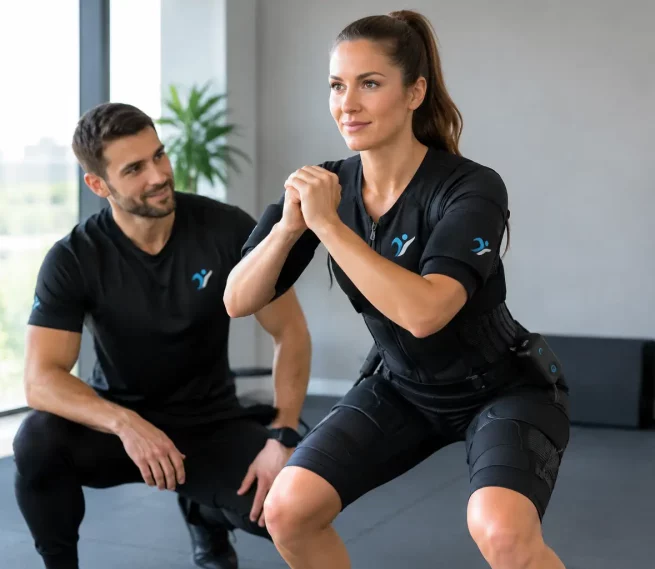
For someone with limited time, the appeal of EMS training is not doing less for the sake of it. It is making the time spent training more deliberate. During an EMS session, electrical impulses stimulate muscle contractions while the client performs controlled, functional movements under the guidance of a trainer.
At E-Pulse Studio, Alex’s plan centred on 30-minute coached sessions. The trainer could adjust the intensity, correct technique and tailor exercises around Alex’s mobility and confidence level. There was no pressure to perform for anyone else, and no wasted time wandering around deciding which machine to use next.
This is not a shortcut that removes the need for effort. EMS training still asks you to work, and it is not suitable for every person or every health condition. A proper consultation matters, particularly for anyone with injuries, persistent pain, pregnancy, a medical condition or an implanted electronic device. Where appropriate, advice from a qualified health professional should come first.
For Alex, two sessions each week were realistic. That mattered more than an ambitious programme that could only be followed for a fortnight. The training focused on full-body strength, core control, glute activation, posture and gradual conditioning. Mobility work was included because moving better was part of the objective, not an afterthought.
The first four weeks: building the habit
The early aim was simple: show up consistently and learn how the body responded. Alex did not chase exhaustion or compare progress with anyone else. The trainer kept the session challenging but manageable, increasing intensity carefully as confidence and tolerance improved.
Outside the studio, the first change was not dramatic weight loss. It was routine. Sessions were booked into the diary like an important meeting. Alex began walking more between appointments, taking short movement breaks during desk-heavy days and paying closer attention to water intake.
Nutrition was approached practically. There was no extreme detox, no punishment for a meal out and no unrealistic demand for perfection. Instead, Alex focused on regular meals with enough protein, more fibre-rich foods and fewer automatic snack choices. Organic supplementation was discussed only as support for an already solid foundation, not as a replacement for food, training or sleep.
By the end of the first month, Alex noticed less stiffness through the hips and upper back, better awareness of posture and a growing sense that training was manageable. Those wins count. When someone has spent years believing fitness requires a huge block of spare time, a sustainable routine is a transformation in itself.
Peterborough fitness transformation example: weeks five to twelve
Once the habit was established, the programme could progress. EMS intensity and exercise selection were adjusted in line with Alex’s movement quality and recovery. Squat patterns, hinge work, rowing movements, pressing, anti-rotation core exercises and controlled conditioning created a balanced full-body challenge.
This stage is where tracking becomes valuable. A scale can fluctuate because of hydration, food, sleep and stress. It can be useful, but it is not the whole story. Repeat 3D body scans, measurements, strength markers, photos where clients are comfortable using them, and feedback on energy and mobility all offer a fuller view.
For Alex, the evidence started to stack up. Waist measurements began moving in the right direction. Everyday movements felt easier. Stairs no longer produced the same breathlessness, and long meetings no longer ended with the familiar ache across the lower back. The client also reported feeling more capable during weekend activities with the family.
Body recomposition can look different from one person to another. Some people see noticeable scale changes quickly; others gain strength and shape while the scale moves slowly. That is why a good coach does not treat one number as the verdict. Progress should be judged against the goal set at the start, with adjustments made when the data and the client’s experience call for them.
Alex’s biggest result was consistency under pressure. A busy fortnight did not end the programme. The plan was adapted. If travel or workload disrupted a session, the focus became getting the next one done, rather than writing off the entire week. This is how a temporary fitness kick turns into a reliable part of life.
What made the difference?
The transformation was not caused by a single machine, a magic supplement or a flawless diet. It came from a system that removed common barriers and kept Alex supported when enthusiasm dipped.
First, the sessions were efficient. Thirty minutes made it far easier to train around work and family commitments. Second, every session had coaching. Technique, intensity and exercise choices were not left to guesswork. Third, the 3D scan and regular check-ins made progress visible, even when day-to-day changes were hard to notice.
There was also an honest focus on recovery. Training hard without sleeping, eating adequately or managing stress is rarely a route to lasting results. Alex was encouraged to respect rest, keep daily movement up and avoid treating intense exercise as a way to compensate for a difficult week.
For people dealing with pain or restricted mobility, the details may look different. The priority may be confidence in movement, posture and gradual strength before fat loss or performance. For runners, golfers or combat athletes, the focus may shift towards power, conditioning and sport-specific resilience. The right programme depends on the person in front of the trainer.
Is this the right route for your transformation?
EMS personal training can be a strong fit if you value structure, have a demanding schedule and want close guidance rather than a self-service gym experience. It can also suit beginners who feel intimidated by traditional gyms, provided they are ready to participate consistently and follow professional advice.
It may be less suitable if you want long independent workouts, enjoy training with heavy free weights several times a week, or are looking for a no-effort answer. Results still require commitment. Food choices, daily activity, recovery and attendance all influence what you get back.
The most useful first step is not setting an unrealistic target date. It is establishing your starting point and choosing a routine you can protect in your calendar. A consultation gives you space to discuss goals, restrictions and what has stopped you in the past, without pretending that one plan works for everyone.
Your own transformation may begin with fat loss, stronger muscles, better mobility or simply the ability to finish the day with more energy left. Start with a plan that respects your life, measure what changes, and give yourself enough consistency for the results to become real.
 8min