The scale says the same as last week, yet your waist feels looser, your posture is stronger and the clothes you avoided are fitting better. This is where body scan vs weighing scales becomes more than a technical comparison. It changes how you judge your effort – and whether you stay motivated long enough to see a real transformation.
For busy people training around work, family and everything else, progress needs to be clear. A single bodyweight figure can be useful, but it cannot tell the full story of what your body is doing. If your goal is fat loss, muscle tone, better mobility or performance, you need measurements that match the outcome you actually want.
Body Scan vs Weighing Scales: What Each One Measures
A weighing scale measures total body mass. That number includes body fat, muscle, water, bone, food still being digested and normal day-to-day fluid changes. It is quick, cheap and familiar, which makes it useful for spotting a broad trend over several weeks.
What it cannot do is explain why your weight has changed. A one-kilo increase may reflect a salty meal, hormonal changes, a hard training session, increased muscle glycogen or simply weighing at a different time of day. Equally, a rapid drop can be water rather than body fat. The number is real, but its meaning is often unclear.
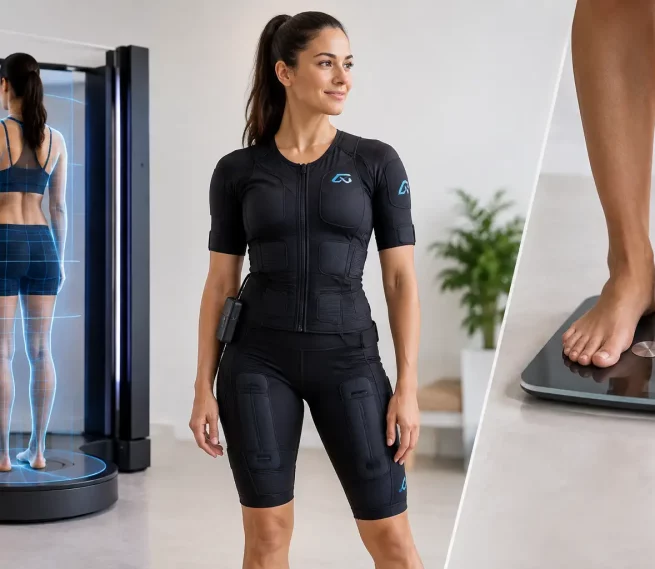
A 3D body scan creates a detailed visual model of your body and tracks measurements such as waist, hips, chest, thighs and arms. It can show changes in circumference, shape, symmetry and posture that a scale will never reveal. Instead of asking, “Have I lost weight?”, you can ask a better question: “Is my body changing in the direction I want?”
That distinction matters. Someone who loses centimetres around their waist while building strength has made meaningful progress, even if bodyweight barely moves. For many clients, that is the exact result they came for.
What about smart weighing scales?
Smart scales add body fat, muscle mass and water readings, usually using bioelectrical impedance analysis. They can be a helpful extra data point, particularly when used under the same conditions each time. But the estimates can shift with hydration, exercise, food intake, alcohol, skin temperature and menstrual cycle phase.
Treat a smart scale as a trend tool, not a verdict. If it tells you your body fat has changed dramatically overnight, it has not. A consistent 3D scan and coaching-led review offer a more practical picture of physical change over time.
Why Bodyweight Can Stall While Results Keep Coming
Body recomposition is the reason many committed people lose faith in ordinary scales too early. When you train effectively, eat with more intention and recover well, you may reduce body fat while maintaining or gaining lean tissue. Because muscle is dense, your weight can remain steady while your silhouette changes.
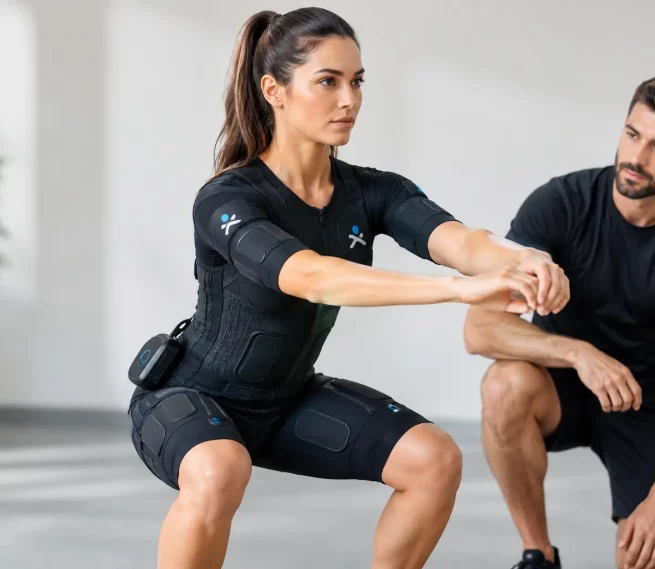
This is particularly common for beginners returning to exercise, people following a structured strength programme and those who have spent years alternating between restrictive diets and inconsistent training. It can also happen when someone starts working with EMS training, where muscles are challenged intensely in a short, coached session.
Imagine two people who both weigh 75 kg. One has a larger waist measurement, lower muscle tone and poorer posture. The other carries more lean mass, stands taller and has lost several centimetres from their middle. The scale sees them as identical. Their health, confidence, clothes fit and performance may tell a very different story.
A body scan makes those wins visible. It can be especially powerful during the frustrating middle stage of a transformation, when the initial excitement has passed but the work is beginning to compound.
The Best Tool Depends on Your Goal
If your clinician has asked you to monitor bodyweight, or you are following a plan where weight-class targets matter, regular weighing has a clear place. It is also a simple way to establish whether your average body mass is generally trending up, down or stable.
But if your main aim is to reshape your body, build strength, improve posture or see whether training is working, a scan provides more relevant feedback. The same applies if the number on the scale tends to affect your mood or push you into extreme food choices. Data should help you make better decisions, not make you feel judged.
For fat loss, the strongest approach is usually to use both tools with the right expectations. Weigh regularly enough to see the long-term trend, not to react to every fluctuation. Then use periodic body scans to assess changes in measurements and body shape. Add performance markers too: how much stronger you are, how you move, how your energy feels and whether daily pain or stiffness has improved.
How to Track Progress Without Letting Numbers Take Over
Consistency is more valuable than collecting endless data. Weighing yourself at random times in different clothes, after a weekend out or following a late-night meal creates noise, not insight. If you weigh, do it in similar conditions – ideally in the morning, after using the toilet and before eating or drinking. Focus on a weekly average rather than one reading.
With body scans, keep the conditions consistent as well. Scan at regular intervals, wear similar fitted clothing and avoid expecting dramatic changes after only a few days. Most meaningful physical changes need several weeks of training, nutrition and recovery to become measurable.
The real value appears during a proper review. A coach can compare scan data with your training attendance, strength gains, sleep, stress levels and nutrition habits. If your waist measurement is reducing but your energy is poor, the answer may not be to train harder. If measurements have stalled while strength has improved, it may be time to review food intake, daily movement or recovery rather than panic.
At E-Pulse Studio, this is why progress tracking sits alongside personal coaching rather than replacing it. Technology can show the data. An experienced trainer helps you understand what to do next.
When a Scale Is Still Worth Keeping
There is no need to throw your scale away. Used calmly, it remains a convenient and useful part of a bigger picture. It can flag a sustained upward trend when your goal is fat loss, or confirm that you are gaining weight during a planned muscle-building phase.
The problem starts when the scale becomes the only measure that counts. It cannot record that your lower back is less painful, that you can climb stairs without getting breathless, that your golf swing feels freer or that you have completed every session for a month. These are not secondary wins. They are often the changes that make a programme sustainable.
If daily weighing makes you anxious, reduce the frequency. Some people do better with once-weekly weigh-ins. Others get better results by stepping away from the scale for a period and focusing on scans, photos, measurements and performance. The best method is the one that keeps you consistent and honest without making the process miserable.
Look for Evidence, Not One Perfect Number
A successful transformation rarely moves in a straight line. Water retention rises after hard training. Sleep affects appetite. Busy weeks disrupt routines. A holiday, a stressful deadline or a missed session does not erase the work you have already done.
Look for evidence across several markers: a changing waistline, better posture, improved strength, more confidence in fitted clothes and a routine you can actually maintain. This creates a fairer, more motivating picture than letting one morning’s bodyweight decide whether you have succeeded.
Your scale can tell you what you weigh. A body scan can show how you are changing. Put both in their proper place, keep showing up, and let the progress you can see and feel guide the next step.
 7min
7min