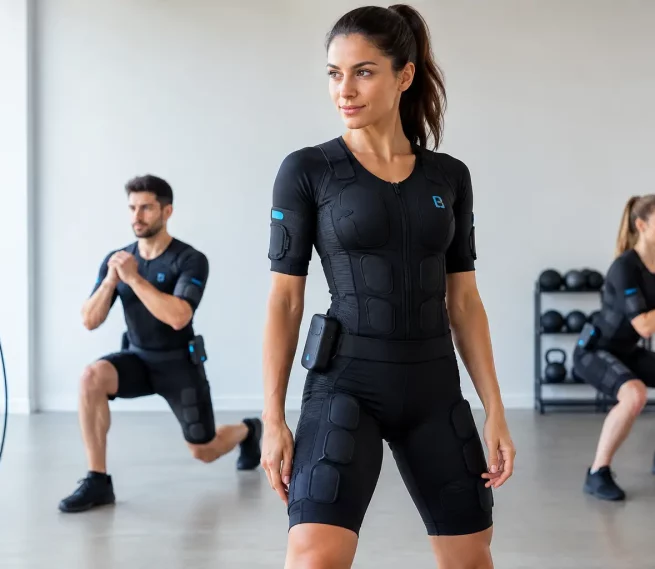
You do not need another workout that eats up five evenings a week and still leaves you wondering whether anything is changing. That is exactly why interest in ems training for muscle strength has grown so quickly among busy professionals, parents and anyone who wants proper coaching with visible progress. The appeal is simple – short, focused sessions that challenge more muscle fibres at once, with a trainer guiding every rep so the work is precise rather than rushed.
That sounds impressive, but the better question is whether it actually helps you get stronger. In many cases, yes. EMS can be a very effective way to improve muscle strength, especially when it is used properly, coached well and built into a programme that matches your body, goals and recovery capacity. It is not magic, and it is not a substitute for effort. What it does offer is a smarter route to intensity for people who want results without spending hours in the gym.
How EMS training for muscle strength works
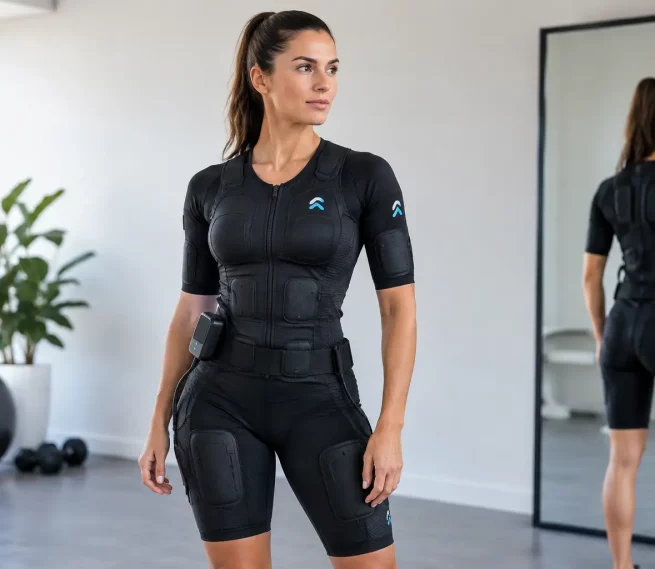
EMS stands for electro muscle stimulation. During a session, you wear specialist equipment that delivers controlled electrical impulses to major muscle groups while you perform guided exercises. Those impulses encourage the muscles to contract more intensely than they would in standard low-load training alone.
In practical terms, that means your glutes, legs, core, back, chest and arms are all being recruited together while you squat, hinge, hold, press or rotate. Instead of drifting through a workout and letting stronger areas take over, the body is pushed to work in a more complete and deliberate way.
For muscle strength, the main benefit is recruitment. Strength gains depend on teaching the nervous system and the muscles to produce force efficiently. EMS helps increase the amount of muscle tissue being activated during each movement. When that is combined with good form and progressive programming, it can improve strength, stability and muscular endurance in far less time than many people expect.
That matters if your current pattern is a couple of rushed gym sessions, inconsistent home workouts and a nagging feeling that you are always starting again.
Why busy people often respond well to EMS
A traditional strength programme can work brilliantly, but it asks a lot. Time to travel, warm up, train, shower and repeat several times a week. Time to plan sessions. Time to recover from sessions that were maybe not that effective in the first place. For many adults, that is where the plan falls apart.
EMS changes the equation. A short, coached session can create a very high training stimulus without the need for long gym blocks or heavy external loading. That makes it appealing for people who want stronger legs, a firmer core, better posture or more power, but cannot give up hours every week.
There is also a confidence factor. Plenty of people know they should do strength work but feel unsure in a gym environment, especially if they are returning after injury, dealing with back pain or have not trained consistently in years. With EMS, the trainer controls the structure, intensity and technique from start to finish. That support helps people work harder because they feel safer doing so.
What kind of strength results can you expect?
Results depend on your starting point. Someone completely new to strength training may notice improvements quickly – stronger posture, easier daily movement, more stability through the trunk and better control in basic patterns such as squats and lunges. Someone already training well may use EMS to add quality muscle activation, target weak links or increase workload without adding as much joint stress.
Most people first notice that movements feel more connected. The core switches on more reliably. Glutes begin doing their job. The upper back supports posture better. Then strength improvements start to show up in more obvious ways – stronger lifts, less fatigue during activity, better movement quality and a body that feels more capable.
Clients often describe it less as “bulking up” and more as feeling stronger everywhere. That is one of EMS training’s biggest advantages. Because multiple muscle groups are recruited together, strength gains often feel practical. Carrying shopping, climbing stairs, running, golfing, lifting children, sitting at a desk for long hours – all of that can feel easier when the body is stronger in a coordinated way.
EMS is powerful, but it is not a shortcut without limits
This is where honest coaching matters. EMS works well, but it is not the answer to every strength goal in every situation.
If your target is maximal barbell strength at a very advanced level, you will still need conventional resistance training. Specific strength adaptations come from practising specific lifts under load. EMS can support that process, but it does not replace it.
If your goal is general strength, better muscle tone, improved posture, stronger movement patterns and efficient full-body training, EMS can be outstanding. It is especially useful for people who need high return from limited training time.
There is also the issue of recovery. Because EMS sessions can be intense, they need to be programmed properly. More is not always better. The right frequency depends on your training history, sleep, stress, mobility and whether you are also doing other sports. A good coach will push you, but they will not chase intensity for the sake of it.
Who is most likely to benefit?
EMS suits a surprisingly wide range of people. For complete beginners, it offers structure and accountability. For busy professionals, it delivers a serious workout in a small time window. For people returning from a lay-off, it can rebuild confidence and strength gradually. For those managing aches, poor posture or muscle imbalances, it can help retrain underactive areas in a controlled setting.
It can also work well for recreational athletes. Runners often benefit from stronger glutes and core control. Golfers can improve rotational stability and posture. Combat athletes may use it to support power, conditioning and muscular endurance. The key is tailoring the session rather than treating every client the same.
That personalised element is where studio coaching makes a real difference. At E-Pulse Studio, for example, sessions are built around the individual rather than a one-size-fits-all class format. That means the person trying to feel stronger after years of back discomfort should not be trained like the person preparing for a race season.
Technique still matters in EMS training for muscle strength
One of the biggest misunderstandings about EMS is that the suit does the work for you. It does not. The electrical impulse increases the contraction, but the quality of the movement still decides whether that contraction is useful.
If your squat is rushed, your hinge is poorly controlled or your core position collapses, stronger contractions will not fix that on their own. In fact, they can reinforce poor movement if no one is coaching properly. That is why trainer-led sessions matter so much.
The best EMS strength sessions are not random circuits. They are carefully coached sequences where intensity, range of motion, posture and breathing are all managed. That is how you turn stimulation into real strength rather than just a hard twenty minutes.
What about pain, mobility and posture?
This is often where clients see some of the most encouraging changes. Muscle strength is not only about performance. It also affects how your body copes with everyday loads.
Weak glutes, a deconditioned core and poor postural support can all contribute to discomfort, especially if you spend most of the day sitting or travelling. Building strength around the hips, trunk and upper back can improve alignment, reduce excessive strain and make movement feel smoother.
That said, pain is never one-size-fits-all. Some people need a more cautious start, particularly if they are dealing with ongoing injury or complex limitations. EMS can support rehabilitation and movement confidence, but it should be used with sound judgement. A proper assessment is essential, and progression should be sensible rather than aggressive.
How to get the best results
The people who do best with EMS are usually not the ones chasing a miracle. They are the ones who commit to consistency, listen to coaching and support the sessions with decent basics.
That means turning up regularly, eating enough protein, sleeping properly and allowing recovery. It also means tracking progress in a way that goes beyond the scales. Changes in strength, posture, measurements, mobility and how your clothes fit often tell a more useful story than body weight alone.
If you have access to body composition and movement tracking, even better. Measurable feedback keeps motivation high and helps the programme stay honest. If something is working, you can see it. If something needs adjusting, you can catch it early.
So, does EMS deserve the hype?
For the right person, absolutely. Not because it is trendy, but because it solves a real problem. Many people want to get stronger, feel better and train more consistently, yet the standard gym model does not fit their life. EMS offers a high-efficiency, coached alternative that can produce meaningful gains in muscle strength, movement quality and confidence.
The real value is not just the technology. It is the combination of intensity, personal coaching and smart programming. That is what turns a short session into a results-focused one.
If you are short on time, tired of stop-start training and ready for a more structured way to build strength, EMS is worth serious consideration. The best place to start is with a proper assessment, clear goals and a coach who treats your body like an individual, not a template. Strength built that way tends to last.
 7min
7min