You do not need to spend five evenings a week in a gym to feel stronger. A well-built muscle strength improvement programme should fit around work, school runs, travel and the reality of a full diary – while still giving your body enough focused challenge to adapt.
For some people, strength means carrying the shopping without a sore back, climbing stairs without stopping, or feeling more confident in everyday movement. For others, it is improving a golf swing, running more powerfully or rebuilding after time away from training. The starting point may differ, but the principle is the same: consistent, progressive training with expert guidance beats occasional all-out effort.
What a muscle strength improvement programme should do
Strength is not simply about lifting the heaviest weight possible. It is the ability of your muscles to produce force with control, through the movements your life or sport demands. A quality programme develops that ability while improving movement quality, posture and confidence.
The best plan also has a clear baseline. If you do not know where you started, it is difficult to see how far you have come. At E-Pulse Studio, coaching can be supported by 3D body scanning and regular progress reviews, so results are not left to guesswork. Changes in body composition, posture, circumference and training performance can help build a fuller picture than the scales alone.
A programme must be progressive, but it should not be punishing. The goal is to apply enough stimulus for your body to get stronger, then allow time to recover and adapt. Going hard every day may feel committed, yet it often leads to fatigue, missed sessions and old aches returning. The programme that works is the one you can repeat week after week.
Why EMS can make strength training more time-efficient
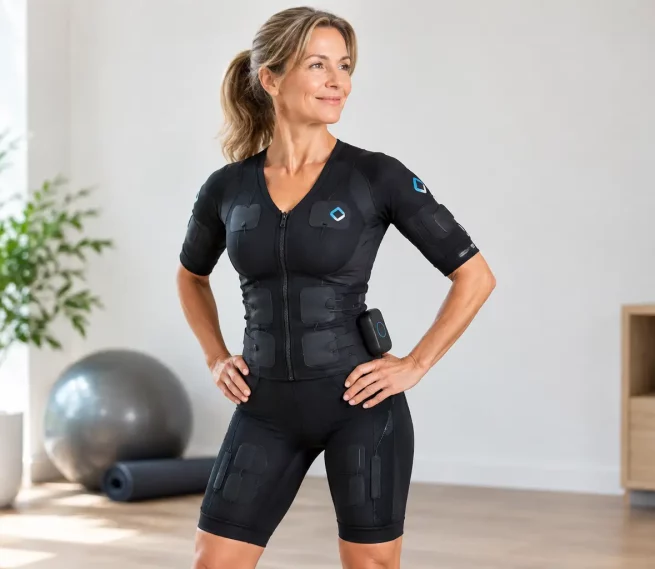
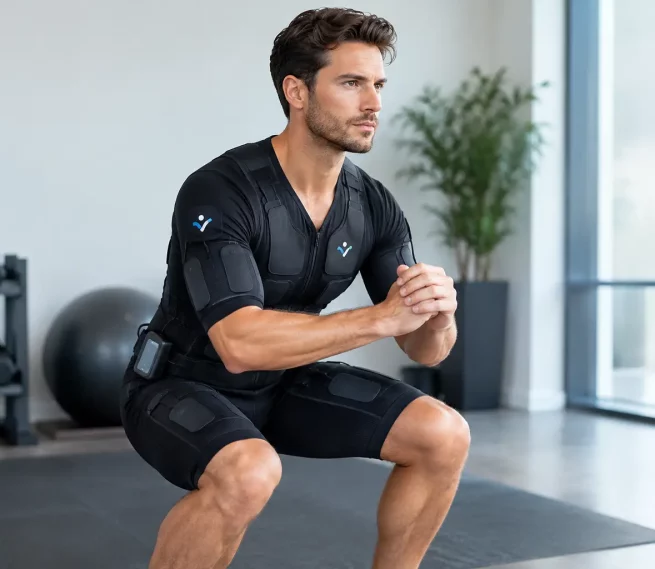
Electro Muscle Stimulation, or EMS, uses carefully controlled electrical impulses alongside purposeful exercise movements. The technology encourages muscles to contract while you squat, hinge, press, pull, brace and move under the direction of a qualified trainer.
That does not mean standing still while a machine does all the work. Effective EMS training is coached training. Your positioning, range of movement, breathing, effort and technique still matter. The difference is that the session can create a high level of muscular engagement in a shorter period, making it a practical option for people who struggle to protect long blocks of gym time.
A 30-minute EMS session can be particularly useful for busy professionals, parents and business owners who want personal coaching without building their week around lengthy workouts. It can also suit people returning cautiously after a lay-off, provided their programme is adapted to their current capacity and any clinical advice.
EMS is not a shortcut around consistency, sleep or nutrition. It is a tool that can make each session more productive when it is used properly. Results depend on your starting point, training frequency, recovery, food intake and commitment to the plan.
The value of coaching over random workouts
A generic workout may tell you to do squats, rows and planks. A coached strength plan asks better questions. Does your lower back feel tight after sitting at a desk? Are you recovering from a knee issue? Do you need more power for running, or more upper-body strength for daily work? Are you training hard but failing to see progress?
Those answers change the session. One client may need to improve hip mobility before loading a squat. Another may need core control and glute activation to support better posture. A more experienced exerciser may benefit from greater intensity, improved tempo or sport-specific movement patterns.
This is where trainer-led sessions earn their place. You receive immediate feedback, sensible adjustments and enough accountability to keep momentum moving forward. Rather than wondering whether you are doing the right thing, you know what each exercise is working towards.
How to build your programme around real life
The most effective programmes are simple enough to follow on difficult weeks. Start by choosing a realistic commitment. For many people, one or two structured EMS sessions per week, combined with more daily movement, is a strong place to begin. A trainer can then adjust frequency based on your goals, experience and recovery.
Your training blocks should have a purpose. In the first few weeks, the emphasis may be on technique, mobility and learning how to create tension safely. As your confidence grows, the focus can shift towards increasing intensity, improving control and challenging your muscles in new ways. Later, your programme may become more specific to fat loss, performance, body shaping or rehabilitation support.
Outside the studio, simple habits protect your progress. Walking regularly, taking movement breaks from your desk, eating enough protein and getting consistent sleep all support muscle recovery. You do not need a perfect lifestyle. You need a few habits that make your training work harder for you.
If body composition is part of your goal, avoid the temptation to slash food intake while demanding more from your body. Aggressive dieting can leave you low on energy and make it harder to maintain muscle. A more balanced approach – built around protein, whole foods, hydration and sensible portions – is usually easier to sustain.
Signs your strength is improving
Progress is not always dramatic from one session to the next. Often, the first changes are practical. You may notice that you can hold a stronger position, complete movements with better control, or recover faster after a challenging set. Your clothes may fit differently before the scales shift.
Over time, you may see improvements in the resistance or EMS intensity you can manage, your movement range, your posture and your stamina. A runner might feel stronger on hills. A golfer may generate more stable rotation. Someone with a desk-based job may find that getting up after a long day feels easier.
Track more than one outcome. Training performance, measurements, body scans, mobility and how your body feels in daily life are all useful signals. When results are measured regularly, it is easier to identify what is working and when your plan needs an adjustment.
When to take a more cautious approach
Strength training should challenge you, but pain is not a badge of honour. Muscle effort and temporary soreness can be normal, especially when you begin. Sharp pain, increasing joint pain, numbness, dizziness or symptoms that do not settle deserve attention.
If you have an injury, persistent back pain, a medical condition, are pregnant, or have recently had surgery, speak to an appropriate healthcare professional before starting. EMS is not suitable for everyone, including people with certain implanted medical devices or specific health conditions. A responsible studio will ask the right screening questions and tailor or postpone training where necessary.
There are trade-offs, too. EMS sessions are highly efficient, but they do not replace every form of physical activity. Walking, recreational sport, mobility work and cardiovascular exercise each offer benefits that support long-term health. Think of your strength sessions as the foundation, not the only movement you do.
Make your first month count
Your first month is not about proving how tough you are. It is about building a reliable training rhythm. Arrive hydrated, communicate honestly with your trainer, focus on quality movement and give your body time to learn. Keep a note of how you feel between sessions, particularly sleep, soreness, energy and any recurring discomfort.
If you miss a session, do not write off the week. Return to the plan at the next opportunity. Strength is built through accumulated good sessions, not one perfect month.
The right muscle strength improvement programme should leave you feeling capable, supported and clear about your next step. Start where you are, train with purpose, and let consistent effort turn into the stronger body your daily life has been asking for.
 7min
7min