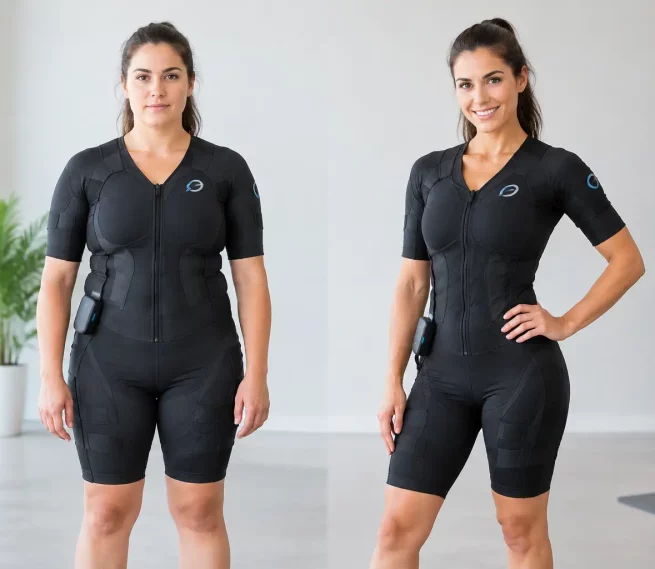
Hot flushes at 3am. A body that suddenly feels unfamiliar. Aching joints, lower energy and a waistline that seems to change despite doing the same things. If you are asking, can EMS help menopause symptoms, the honest answer is that it can be a valuable part of your routine – but it is not a cure, a hormone treatment or a replacement for medical care.
What EMS can offer is targeted, coached resistance training in 30 minutes. That matters when menopause symptoms have made long gym sessions feel unrealistic, uncomfortable or simply hard to fit around work, family and life. The goal is not to push through at all costs. It is to use intelligent training to support strength, mobility, confidence and the physical changes that can come with this stage of life.
Can EMS help menopause symptoms in practice?
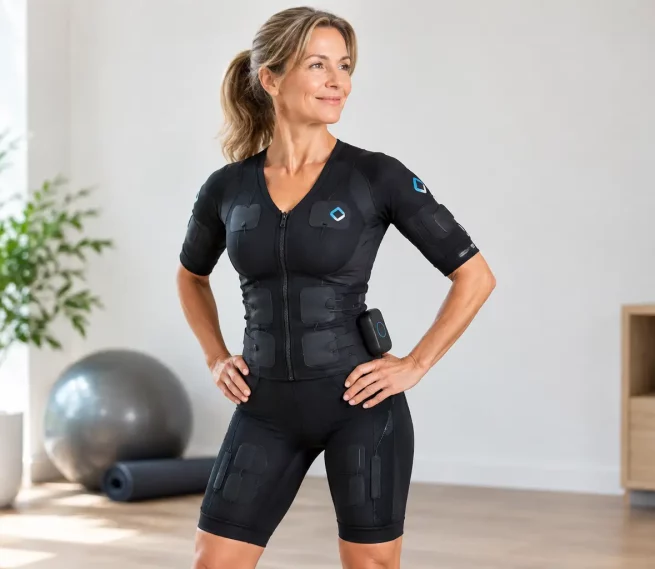
Electrical Muscle Stimulation, or EMS, uses a specialist suit to deliver controlled electrical impulses to major muscle groups while you perform simple, functional movements under a trainer’s guidance. The impulses increase muscle activation, allowing a focused full-body session without hours of lifting weights.
The strongest case for EMS in menopause is not that it directly switches off hot flushes or balances hormones. Research around menopause consistently supports resistance exercise for maintaining muscle, supporting bone health, improving body composition and protecting long-term function. EMS is one way to make that type of training efficient and accessible, especially for someone who is deconditioned, short on time or managing joint discomfort.
Evidence specifically on EMS and menopause symptoms is still developing. Results also vary with your sleep, nutrition, stress levels, medication, training history and whether you are in perimenopause, menopause or post-menopause. A good programme makes room for that reality rather than promising a miracle in six sessions.
Where EMS may make a genuine difference
Strength when muscle mass is easier to lose
Oestrogen changes can make it harder to retain muscle mass and easier to gain fat mass, particularly around the middle. Muscle is not just about appearance. It supports everyday movement, glucose regulation, metabolism, posture and confidence in your body.
A properly coached EMS session can help you train the legs, glutes, back, chest and core with meaningful intensity in a low-impact format. For someone who has stopped exercising because they feel tired, self-conscious or unsure where to begin, that efficient structure can be the difference between intending to train and actually building a consistent habit.
Expect progress to show up first in practical ways: getting up from the sofa with more ease, carrying shopping without your back complaining, feeling steadier on stairs, or noticing that everyday clothes fit differently. Body composition changes are possible, but they still depend on consistency and the wider picture of food, movement and recovery.
Mobility, posture and common aches
Joint pain, stiffness and back discomfort are common complaints during midlife, although not every ache is caused by menopause. Reduced activity, disrupted sleep, stress and changes in body composition can all add to the picture.
EMS is not a diagnosis or a treatment for unexplained pain. Yet a carefully adapted session may help build the strength around vulnerable areas, improve movement confidence and support better posture. Your trainer can reduce range of motion, adjust the stimulation intensity and choose exercises that meet you where you are. That is very different from being told to keep up with a packed class when your knees, pelvic floor or lower back need more consideration.
Mood, energy and sleep quality
Exercise can support mood and stress management, and many people find that regular movement helps them feel more like themselves again. The confidence that comes from becoming stronger is also significant. Menopause can feel like a loss of control; training gives you a measurable, practical way to invest in your health.
EMS cannot guarantee better sleep or remove night sweats. In fact, hard training too late in the evening can leave some people feeling more alert. But a manageable daytime routine may support better sleep habits, relieve tension and lift energy over time. The right dose is key. More intensity is not automatically better when your sleep is already fragmented.
Bone health and long-term resilience
After menopause, declining oestrogen contributes to faster bone loss. Resistance and impact-based activity are both valuable tools for bone health, alongside sufficient protein, calcium, vitamin D and any clinical treatment recommended to you.
EMS resistance training can contribute to a stronger-muscle plan, but it should not be treated as the only answer for bone density. Depending on your starting point and medical advice, walking, stair climbing, loaded strength work and appropriate impact exercise may also have a role. If you have osteopenia, osteoporosis or a history of fractures, your plan needs individual clinical guidance.
The smart way to start EMS during menopause
The best EMS programme is personalised, progressive and responsive. Your first sessions should feel purposeful, not punishing. A trainer needs to understand your goals, previous injuries, current activity, sleep, symptoms and confidence level before deciding how hard to push.
At E-Pulse Studio, that means using coached sessions and progress tracking to build from your real starting point. For one person, success may be rebuilding leg strength after months of fatigue. For another, it may be improving posture and muscle tone without sacrificing every evening to the gym. The programme should change as you get stronger, not stay at one setting because it is convenient.
Begin with one or two sessions a week, allowing recovery days between them. Pair that with regular walking or other movement you enjoy, enough protein across the day, hydration and a sleep routine that is realistic rather than perfect. If fat loss is one of your goals, avoid the temptation to drastically under-eat while increasing training. That approach can undermine energy, muscle retention and recovery.
Track more than the scales. Notice strength, waist measurements, mobility, energy, sleep patterns, how your clothes feel and what you can do in everyday life. A 3D body scan can provide another useful data point, but it should support the bigger story rather than define your worth or progress.
When to speak to a clinician first
Menopause symptoms deserve proper support. Speak with your GP or menopause specialist about symptoms that are severe, new, worrying or affecting your quality of life. Hormone replacement therapy may be suitable for some people, while others need different medical options. Exercise complements professional care; it does not replace it.
You should also disclose any medical conditions before starting EMS. EMS may not be appropriate, or may require medical clearance, if you have a pacemaker or implanted electronic device, certain heart conditions, uncontrolled epilepsy, active cancer treatment, pregnancy, acute infection, serious kidney problems or recent surgery. Tell your trainer about osteoporosis, pelvic floor symptoms, prolapse, hypertension, diabetes, medication changes and persistent pain so your session can be adjusted safely.
A good coach will welcome those conversations. If someone dismisses your symptoms, promises to eliminate hot flushes, or pushes maximum intensity from day one, look elsewhere.
The bigger win is feeling capable again
Menopause is not a fitness failure, and you do not need to earn the right to train by being exhausted first. EMS can help create a time-efficient route into strength training, with support and accountability when motivation is inconsistent. It works best as one part of a wider plan that respects your hormones, your health and your actual diary.
Choose training that leaves you feeling more capable, not flattened. With the right coaching and medical support where needed, those 30 minutes can become a reliable appointment with the stronger version of you.
 7min
7min