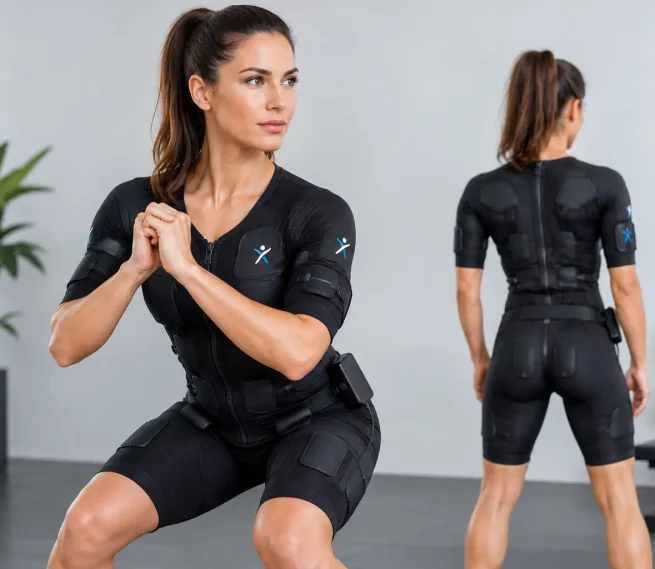
A small electrode pad can look much the same whether it is being used for pain relief or muscle training. That is why electrical stimulation versus TENS is a question we hear so often. The technology may appear similar, but the purpose, sensation and outcome can be completely different. One is primarily designed to help manage pain. The other is used to make muscles contract and work.
If you want to move more freely, rebuild strength after a setback, improve body composition or make your limited training time count, knowing the difference matters. Choosing the wrong tool will not necessarily harm your progress, but it may leave you wondering why you are not getting the result you expected.
Electrical Stimulation Versus TENS: The Key Difference
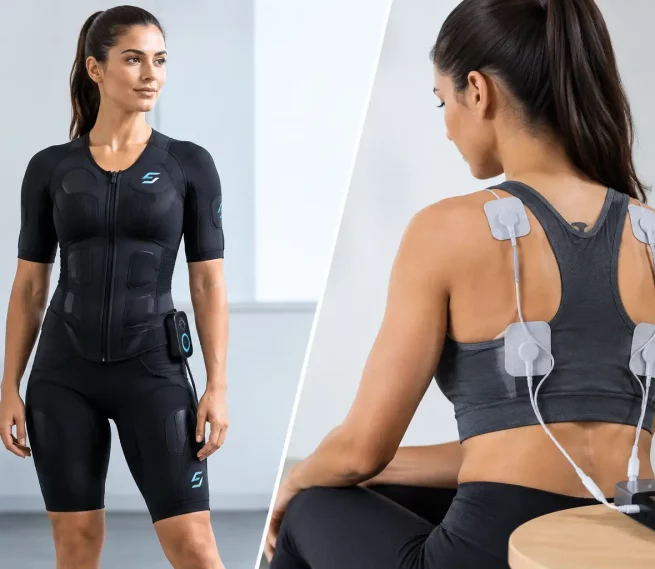
TENS stands for Transcutaneous Electrical Nerve Stimulation. It delivers a gentle electrical current through pads placed on the skin, targeting sensory nerves rather than aiming to create a significant muscle contraction. Its main role is short-term pain management.
Electrical Muscle Stimulation, usually called EMS or NMES, uses a different type of stimulation and setting to trigger muscle contractions. In a coached EMS session, those contractions are combined with purposeful movements such as squats, hinges, presses, lunges and core work. The goal is not simply to feel a pulse. It is to challenge the muscles in a focused, efficient training session.
Think of TENS as a tool that may help turn down the volume on pain signals for a period of time. EMS is a training and rehabilitation tool that can help a muscle switch on, work harder and progressively become stronger when used appropriately. They can both have a place in someone’s routine, but they are not interchangeable.
What TENS Is Designed to Do
TENS is commonly used by people dealing with temporary or persistent discomfort, including lower-back pain, knee pain, muscle aches or pain during rehabilitation. The pads are placed around the painful area and the user feels tingling, buzzing or a light tapping sensation. A useful TENS setting should feel strong but comfortable, not sharp or distressing.
The proposed mechanisms vary, but TENS may influence how the nervous system processes pain signals and can provide welcome relief for some people. That relief can make it easier to walk, sleep, carry out daily tasks or complete prescribed rehabilitation exercises. For a busy parent with an irritated back or a professional spending long days at a desk, that can be genuinely valuable.
The trade-off is that TENS does not fix the underlying reason for pain on its own. It does not correct poor movement habits, restore lost strength or build the capacity needed to return to sport. If pain has reduced because TENS helps you feel more comfortable, use that window wisely: move, follow the plan set by your clinician and build confidence gradually.
Results are individual. Some people find TENS highly useful, while others notice little change. It is best viewed as one possible part of pain management, not a replacement for a proper assessment when pain is severe, persistent, worsening or unexplained.
What EMS Is Designed to Do
EMS applies electrical impulses to motor nerves, which causes the targeted muscles to contract. In clinical rehabilitation, this can be useful when a muscle has become inhibited or weak after surgery, injury or a period of reduced activity. In fitness, whole-body EMS is paired with guided exercise to create a challenging muscular stimulus in a short session.
At E-Pulse Studio, the focus is not on lying still while a machine does all the work. Your trainer adjusts the intensity, guides your form and programmes movements around your starting point and goals. That matters because a strong contraction is only part of the picture. Position, breathing, control, progression and recovery determine whether the work supports better movement and measurable progress.
For someone who has struggled to keep a conventional gym routine going, a structured 30-minute EMS session can remove much of the guesswork. You arrive, train with purpose and leave knowing what you have done. For an experienced runner, golfer or combat athlete, EMS can also complement an existing programme by targeting strength, trunk control and muscular endurance without adding another long gym visit.
EMS is not magic, and it is not a substitute for all forms of exercise. Cardiovascular fitness, walking, sport-specific skills, mobility, sleep, nutrition and recovery still matter. Yet when training is well coached and consistent, EMS can be a powerful way to build strength and support body transformation with less time spent in the gym.
The Sensation Is Different
A TENS unit usually creates a sensory feeling: tingling, prickling or buzzing. The aim is normally to avoid a large visible contraction.
EMS feels more active. As intensity rises, the muscle tightens and contracts. During a coached session, you work with that contraction through controlled exercise. It can feel unusual at first, particularly around the thighs, glutes and core, but it should remain manageable. Good coaching means the intensity is tailored, not forced.
Which One Suits Your Goal?
If your primary goal is temporary pain relief, TENS may be worth discussing with a physiotherapist, GP or other qualified healthcare professional. It can be particularly helpful when discomfort is stopping you from getting on with sensible daily movement or rehabilitation exercises.
If your goal is to regain strength, improve muscle tone, enhance posture, support mobility or train efficiently around a demanding schedule, EMS is usually the more relevant option. It is especially useful when you need accountability and expert guidance rather than another piece of equipment gathering dust at home.
There is also an overlap. A person recovering from a knee problem may use pain-management strategies to stay comfortable while working through a progressive strengthening plan. The important point is sequence and supervision. Reducing pain is useful, but building the strength and control to tolerate everyday life is what changes the longer-term picture.
Safety Comes Before Intensity
Electrical stimulation is not suitable for everyone. Do not use TENS or EMS over broken or irritated skin, near the front of the neck, across the chest, or while driving, sleeping or in water. Avoid placing pads over areas with reduced sensation unless advised by a clinician, because you may not accurately judge the intensity.
Anyone with a pacemaker, implanted electrical device, significant heart condition, epilepsy, active cancer, thrombosis or pregnancy should seek individual medical advice before using electrical stimulation. The same applies if you have recently had surgery, have unexplained pain, or are managing a neurological condition. A qualified trainer can tailor a session, but they should never diagnose an injury or override medical guidance.
With EMS, more intensity is not always better. The right level is one that creates meaningful work while allowing safe technique and recovery. A quality session also accounts for training history, hydration, fatigue and what else is happening in your week. If you are returning after illness, injury or a long break, start conservatively and earn progression.
How to Make Either Option More Effective
The biggest mistake is treating a device as the entire plan. If TENS reduces your back pain enough to walk comfortably, use that opportunity for gentle movement and follow-up care. If EMS helps you train consistently, support it with protein-rich meals, sufficient water, regular sleep and everyday activity.
Progress becomes far more motivating when it is visible. Strength gains, changes in movement quality, improved stamina, body measurements and how your clothes fit all tell a more useful story than one good session. For many clients, the turning point is not an overnight transformation. It is realising they can climb stairs more easily, train without dread, stand taller at work or return to the activities they had quietly stopped doing.
The best choice is the one that matches the problem you are trying to solve. Use TENS to support comfort when pain management is the priority. Use EMS when your priority is coached muscular work, strength and efficient progress. And if pain is holding you back, get clear guidance first – then build the movement capacity that helps you trust your body again.
 7min
7min