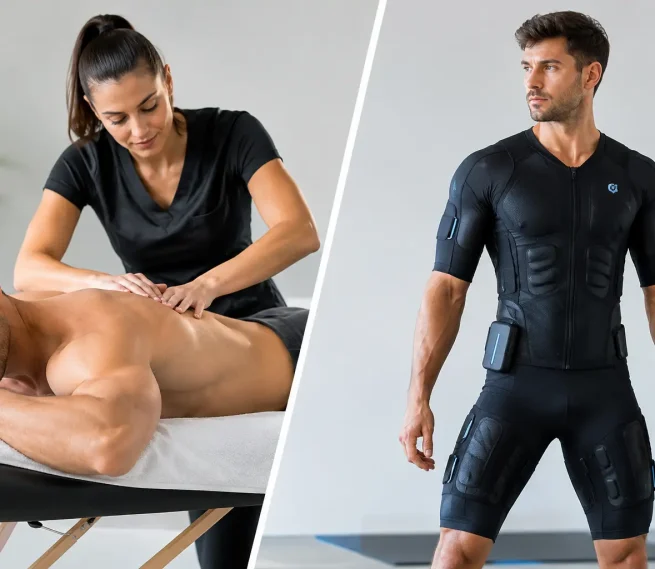
Thirty minutes can feel like a very long time when every squat, lunge and plank is switched on with electrical muscle stimulation. That is the reality behind an EMS body suit review: the suit is not a passive shortcut, but a training tool that can make focused exercise far more demanding in far less time.
For busy professionals, parents and anyone tired of promising themselves they will spend more hours at the gym, the appeal is obvious. Put on the suit, train with a coach, work hard for 20 to 30 minutes and leave knowing the session had a purpose. But does it deliver results worth paying for? The honest answer is yes for the right person, provided the training is properly coached, progressively planned and supported by sensible lifestyle habits.
What an EMS Body Suit Actually Does
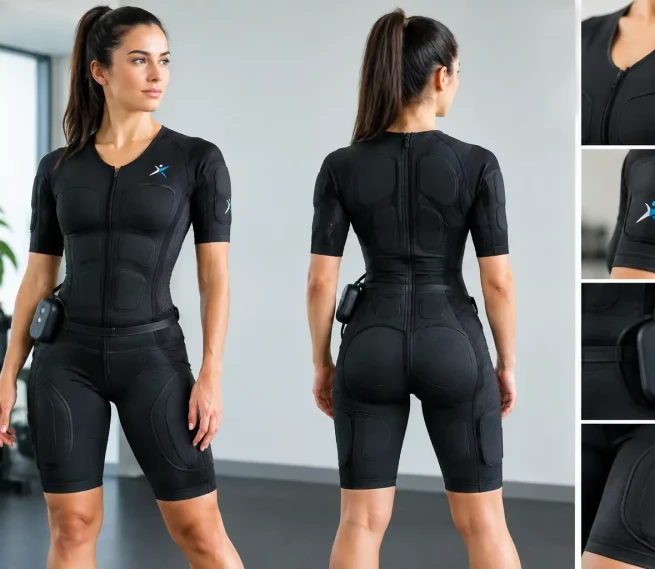
An EMS body suit uses low-frequency electrical impulses to stimulate major muscle groups while you exercise. Electrodes built into the suit sit over areas such as the thighs, glutes, core, back, chest and arms. A trainer controls the intensity for each area, then guides you through simple, deliberate movements.
The electrical impulse causes muscles to contract while you perform the exercise. Think bodyweight squats, hinges, rows, presses, anti-rotation work and mobility drills, but with additional muscular demand. The sensation is unusual at first: a firm pulsing or tightening rather than pain. You should always be able to communicate, control your movement and stop if anything feels wrong.
The key word is additional. An EMS suit does not replace effort, good technique or coaching. It can increase the challenge placed on the muscles, particularly when heavy weights, long sessions or high-impact training are not suitable or realistic. That makes it useful for people who need an efficient route back into structured exercise, as well as experienced exercisers looking for a new training stimulus.
The Experience: What a Session Feels Like
A quality EMS session should never feel like being plugged in and left to it. The suit is only one part of the experience. The real value comes from the trainer assessing your starting point, adjusting intensities individually and selecting movements that match your goals.
Your first session will usually begin more gently than you expect. The coach should explain the controls, test the sensations across different muscle groups and check how your body responds. Most people quickly realise that a controlled squat becomes surprisingly challenging when the thighs, glutes and core are all contracting at once.
Movements are generally low impact and technically simple, but that does not mean easy. You may work through a sequence of strength, core and mobility exercises with short recoveries, while the suit cycles between active stimulation and rest. A good coach watches your posture closely. If your knees collapse in a squat or your lower back takes over during a hinge, the answer is not simply to turn the intensity up.
Afterwards, expect to feel worked rather than wrecked. Delayed onset muscle soreness is possible, especially after your first few sessions, but the goal is consistent progress, not spending the next three days unable to sit down comfortably.
Results: What Can You Realistically Expect?
EMS training has the greatest potential when it is treated as part of a programme, not a one-off experience. People commonly choose it to improve strength, muscle tone, body composition, posture, mobility and confidence with exercise. Some also use it to support sports performance or to maintain training momentum around demanding work and family schedules.
The early wins are often practical. You may notice that stairs feel easier, your core feels more engaged, your posture improves or you are less hesitant to train because the appointment is short and structured. Over several weeks, progressive sessions combined with appropriate nutrition and recovery can support visible changes in muscle definition and body composition.
However, no credible EMS body suit review should promise that a suit alone will melt fat or build a dramatically different body without effort. Fat loss still requires an overall energy deficit. Muscle development still needs progressive challenge, protein, recovery and consistency. EMS can make training more time-efficient, but it cannot outwork a lifestyle that is completely at odds with your goal.
This is where measurements matter. Progress photos, circumference checks, strength markers, mobility tests and body composition scanning can show changes that the bathroom scales miss. Someone may gain strength and shape while their scale weight changes very little. At E-Pulse Studio, 3D body scanning gives clients a clearer way to track that broader picture rather than relying on guesswork.
Who Gets the Most From EMS Training?
The strongest fit is often the person who wants results but lacks spare hours. If you regularly miss the gym because a 60 to 90-minute visit does not fit around work, travel or childcare, a coached 30-minute session can remove a major barrier.
It can also suit beginners who feel intimidated by a busy gym floor. Rather than wondering which machine to use or whether they are doing an exercise correctly, they have a trainer alongside them throughout. The sessions can be adapted for different fitness levels, so starting from scratch is not a reason to wait.
For runners, golfers and combat athletes, EMS can be a useful complement to an existing plan, particularly for strength, trunk control and muscular conditioning. It should complement sport-specific practice, not replace it. A runner still needs to run, and a golfer still needs technical coaching and mobility work.
Those managing recurring aches, reduced mobility or a return to activity after time away may also appreciate the low-impact nature of the format. That said, persistent pain deserves proper assessment. EMS training should be coached within your capabilities and, where needed, alongside advice from a qualified healthcare professional.
The Trade-Offs Most Reviews Miss
The first trade-off is intensity. EMS is efficient because it is demanding. You cannot scroll through your phone between sets or coast through a session while a machine does the work. You are expected to concentrate, move well and push within safe limits.
The second is that quality varies enormously. An inexpensive home device or unsupervised suit is not the same as a whole-body EMS session led by a trained professional. Placement, intensity, progression, exercise selection and hydration all matter. More stimulation is not automatically better.
Finally, it is a premium service rather than a budget gym membership. The question is not whether it costs more per session. It is whether expert coaching, individual attention and a time-efficient plan help you train consistently enough to make it worthwhile. For someone who pays for a gym but rarely attends, that calculation can look very different.
Safety Comes Before Intensity
A reputable studio will screen you before training and ask about your health history. EMS is not suitable for everyone. People with implanted electronic devices such as pacemakers, certain neurological or cardiovascular conditions, pregnancy, acute illness or specific medical concerns may need to avoid it or obtain medical clearance first.
Hydration matters too. Arrive well hydrated, wear the supplied base layer if required and tell your coach about any unusual discomfort, medication changes, injury or illness. Follow the recommended frequency rather than assuming more sessions will mean faster results. Your body needs time to recover and adapt.
A trainer who asks questions, starts conservatively and adjusts the session is doing their job properly. Safety is not a sales objection. It is the foundation that allows you to train hard with confidence.
EMS Body Suit Review Verdict
An EMS body suit is worth your time if you want structured, coached training that fits into a packed week and you are prepared to participate fully. It is particularly compelling for people who value accountability, measurable progress and low-impact strength work without sacrificing an entire evening to the gym.
It is not magic clothing, and it is not the right solution for every health condition or every training goal. But when the suit is paired with expert coaching, realistic expectations and consistent attendance, it can turn a short appointment into a powerful training habit. The best next step is simple: try a properly coached session, pay attention to how your body moves and feels, and judge the value by the progress you can repeat week after week.
 7min