Thirty minutes is a realistic gap between meetings, the school run and dinner. It is not much time for a conventional gym workout, but it can be enough for focused, full-body training with the right coaching. This Upminster EMS studio review looks at whether electro muscle stimulation training is a worthwhile choice for people who want visible progress without building their week around the gym.
The short answer is that it can be highly effective for the right person. EMS is not a shortcut that removes the need for effort, consistency or sensible nutrition. It is a coached training method that makes every minute count, particularly when time, motivation or movement confidence has been getting in the way.
What an Upminster EMS Studio Session Is Really Like
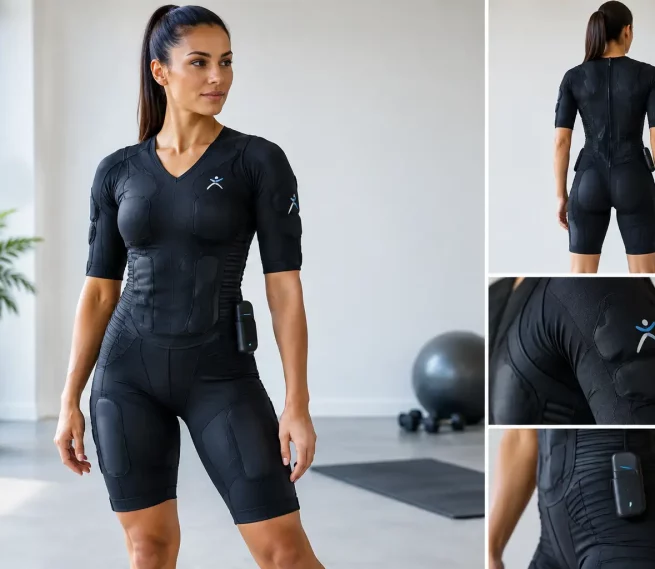
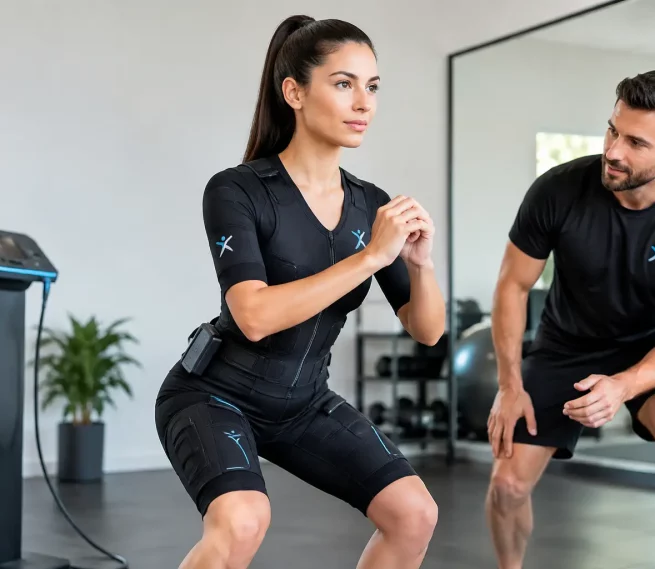
EMS uses a wearable training suit to deliver controlled electrical impulses to major muscle groups while you perform guided movements. The stimulation encourages more muscle fibres to work at once, while your trainer coaches the exercise itself, your positioning and the level of intensity.
This is a very different experience from walking into a busy gym, choosing a machine and hoping you have selected the right weight. Sessions are trainer-led from start to finish. The focus may be fat loss, strength, muscle tone, postural improvement, athletic performance, recovery or returning to exercise after time away.
At E-Pulse Studio, that coaching-led approach is central. You are not left to get on with a suit and a timer. Your programme is adjusted around your ability, goals and how you are moving on the day. Beginners can start with simple, controlled movements, while experienced gym-goers can use EMS to create a challenging new training stimulus.
A typical session lasts around 30 minutes. That includes purposeful work, not a long warm-up followed by time spent waiting for equipment. It is demanding, but it is designed to be manageable. Most people leave feeling that they have trained properly rather than simply ticked exercise off a list.
Who Gets the Most From EMS Training?
The strongest fit is often someone whose main barrier is time. Working professionals, parents and business owners are frequently not short of good intentions. They are short of predictable, protected training time. A twice-weekly commitment can feel far more achievable than trying to find several 60 to 90-minute gym sessions every week.
It also suits people who want more accountability. When a trainer is expecting you, knows your target and can see whether your technique or effort needs adjusting, it is harder for an inconsistent routine to drift. That support matters just as much as the technology.
EMS can also appeal to people who have felt overlooked in conventional fitness spaces. Perhaps you are new to structured training, feel self-conscious in a large gym, or are returning after an injury, pregnancy, a demanding period at work or years of putting everyone else first. A private or small-group studio can make the first step less intimidating.
For more experienced clients, the attraction is efficiency and measurable progression. Runners may want stronger legs and trunk stability. Golfers may be working on rotational control and posture. Combat athletes may use sessions to support conditioning alongside sport-specific work. In these cases, EMS should complement the training that matters most to the sport rather than replace it entirely.
The Benefits Are Real, but the Programme Matters
A well-run EMS programme can help develop strength, muscular endurance, body composition and movement confidence. Because multiple large muscle groups are activated simultaneously, the training is time-efficient and can feel intense even with lower-impact movements.
That does not mean every goal has the same answer. If your priority is becoming a better distance runner, you still need to run. If you want to develop high-level barbell technique, you need to practise lifting with a barbell. If your goal is significant fat loss, your sessions need to sit alongside realistic eating habits, daily movement and sufficient sleep.
Where EMS shines is in helping people train consistently enough to build momentum. The best body transformation plans are rarely based on one heroic month. They come from a routine you can maintain when work is busy, when the weather turns, and when motivation is average.
Progress tracking adds useful clarity. A 3D body scan can provide a more rounded picture than scales alone, helping to monitor changes in body composition, circumference and posture over time. The number on the scales can fluctuate for many reasons. Seeing other markers of progress can keep you engaged when weight loss is not perfectly linear.
What Makes a Studio Better Than a Home EMS Device?
Home devices can look tempting because they appear convenient and inexpensive. However, they are not the same as a full-body, coached EMS training session. The biggest differences are supervision, programme design, equipment quality and the ability to progress safely.
With a trainer, intensity is not guessed. It is increased gradually and balanced across the body, with close attention to form. This matters because stimulation can make a basic squat, lunge or core exercise feel much harder than expected. Proper coaching helps you get the benefit without compensating through poor movement.
The studio environment also gives you a clear appointment and a professional who can adapt the session. If your lower back feels stiff, your trainer can prioritise mobility, controlled strength and better movement patterns. If you are ready to push, the session can become more challenging. That flexibility is difficult to recreate alone at home.
Things to Consider Before You Book
A fair Upminster EMS studio review should cover the trade-offs as well as the benefits. EMS is a premium, coached service, so it will cost more per session than a low-cost gym membership. The value depends on whether you use the coaching, stick to the plan and appreciate the time saved.
It also requires active participation. You may only train for 30 minutes, but those minutes are purposeful. Anyone expecting to stand still while the suit does all the work will be disappointed. The results come from effort, regular attendance and a programme that develops over time.
Certain health conditions may mean EMS is unsuitable or requires medical approval. People with implanted electronic devices, such as pacemakers, and those who are pregnant should not use EMS. If you have a medical condition, recent surgery, an injury or ongoing pain, disclose it before training. A responsible studio will screen you properly and, where needed, advise you to speak with a qualified healthcare professional.
For pain, mobility and rehabilitation goals, expectations should be especially sensible. EMS may support strength, movement and confidence as part of a wider plan, but it is not a substitute for a clinical diagnosis or medical treatment. The right trainer will work within their scope and know when to refer on.
What Results Can You Expect?
Early changes are often practical rather than dramatic. You may feel stronger going up stairs, notice better control during everyday movement, or find that you are finally keeping a training routine. Improved posture and mobility can also become noticeable when they are programmed consistently.
Body composition change takes longer and varies from person to person. Your starting point, session frequency, nutrition, sleep, stress and overall activity all matter. A sensible expectation is to commit to a block of training, track more than one measure of progress and review your plan with your coach rather than chasing a quick-fix promise.
The people who tend to get the best outcomes are not necessarily the fittest when they begin. They are the ones who attend consistently, communicate honestly about their goals and follow the guidance between sessions. A trainer can create a strong plan, but the routine has to fit your actual life.
Is an Upminster EMS Studio Worth It?
If you already love spending five evenings a week in the gym, EMS may be an addition rather than a replacement. But if you repeatedly struggle to make conventional training happen, a 30-minute coached session can be a genuinely practical alternative.
The real value is not just the suit. It is having an appointment, a plan, a trainer who pays attention and clear ways to see change. For busy people in Upminster who want to build strength, improve shape, move better and stop restarting every Monday, that combination can be worth far more than another unused gym membership.
The best next step is simple: book an introductory session, be clear about what you want to improve, and judge the experience by how well the coaching, structure and plan fit your life. The programme that delivers results is the one you can keep showing up for.
 8min
8min