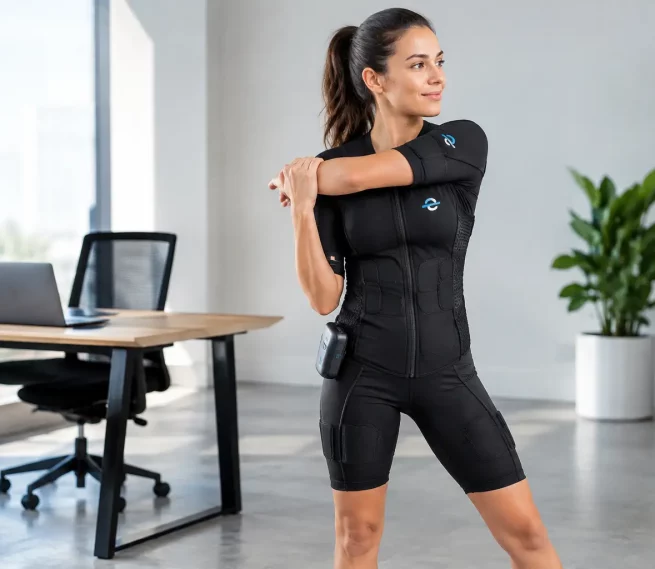
A diary packed with meetings, school runs and deadlines can make a 90-minute gym visit feel unrealistic. That is exactly why many people ask who should try EMS workouts. When delivered by a qualified coach, EMS can make focused, full-body training possible in just 30 minutes – without asking you to live in the gym.
EMS, or Electro Muscle Stimulation, uses a specialist suit to send controlled impulses to working muscles while you perform simple, guided movements. It is not a shortcut that replaces effort. You still train, brace, squat, pull and push. The difference is that the stimulation increases muscle recruitment, allowing a well-coached session to feel highly effective in a short window.
The right candidate is not one type of person. It is someone with a clear goal, a willingness to be coached and a training plan that suits their starting point.
Who should try EMS workouts for time-efficient results?
EMS training is particularly well suited to busy professionals, parents and business owners who are tired of the all-or-nothing approach to fitness. If your usual routine is a burst of motivation followed by weeks of missed gym sessions, a booked 30-minute appointment can provide the structure that changes everything.
Consistency beats occasional heroic workouts. A coach-led EMS session removes much of the decision fatigue: you arrive, your suit is fitted, your settings are adjusted and your trainer leads every movement. For people who value accountability as much as results, that is a powerful combination.
At E-Pulse Studio, progress can also be tracked through 3D body scanning. Rather than relying only on the scales, you can see changes in body composition and measurements over time. That matters when your aim is to build shape, improve muscle tone or reduce body fat, because weight alone rarely tells the full story.
Beginners who want guidance, not gym guesswork
You do not need years of gym experience to begin EMS. In fact, beginners often benefit most from the close attention. Traditional gym floors can feel intimidating when you are unsure how to set up equipment, whether your form is right or what programme to follow.
With EMS, the exercises are selected and progressed around your ability. Early sessions may focus on learning fundamental patterns, building confidence and finding stimulation levels that feel challenging but manageable. The goal is not to leave you flattened on day one. It is to create a sustainable training habit while improving strength, posture and control.
This is also useful for anyone returning to exercise after a long break. You may have lost confidence, feel deconditioned or simply not know where to restart. A personalised starting point is far more productive than trying to copy someone else’s workout online.
People focused on body composition and muscle tone
If you want to look and feel stronger, EMS can support a body transformation programme – especially when it is paired with sensible nutrition, daily movement and regular attendance. The electrical impulse recruits muscles while you train, including many major muscle groups at once, so the session can deliver a demanding full-body stimulus without endless sets of isolated exercises.
That does not mean EMS can outwork a poor diet or compensate for no sleep. Fat loss still depends on the bigger picture, including energy intake, protein, recovery and consistency. But for someone who has limited training time, it can be a practical way to protect or build muscle while working towards a leaner physique.
Visible changes tend to come from doing the basics well for long enough. A realistic coach will set expectations around your goal, monitor your progress and adjust your programme rather than promise a dramatic overnight result.
Who should try EMS workouts for performance?
Experienced exercisers can also benefit, particularly when their usual training has reached a plateau or their schedule has become unpredictable. Runners, golfers, combat athletes and regular gym-goers often need strong legs, a stable trunk, better movement quality and the capacity to recover between sessions.
EMS is not designed to replace sport-specific training. A runner still needs to run, a golfer still needs to practise their swing and an athlete still needs the technical work their sport demands. It can, however, complement that work by adding controlled strength training, core engagement and muscular conditioning with minimal time away from the rest of the programme.
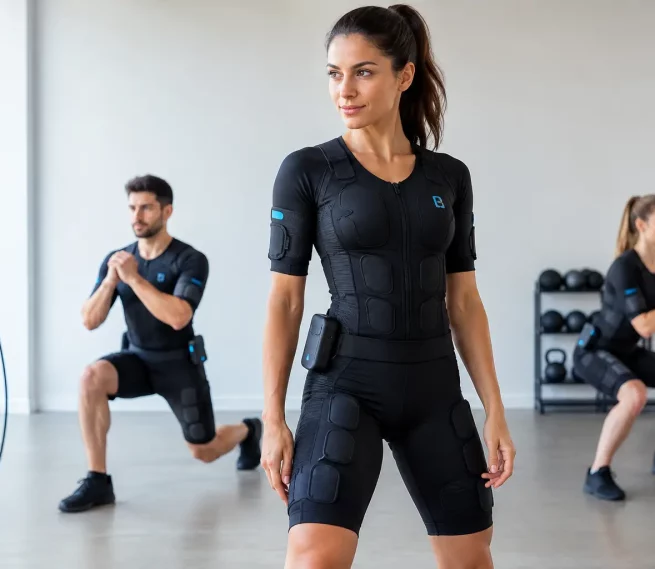
For an active person, the value is often in precision. A trainer can build sessions around areas that need attention, such as glute activation, postural strength, lower-body power or trunk stability. Group EMS training can add energy and community too, while keeping groups small enough for individual coaching and safe adjustments.
Those seeking better posture, mobility and movement confidence
Many people first enquire about EMS because of stiffness, recurring aches or the feeling that their body has become less capable after years at a desk. Poor posture is rarely fixed by one exercise or one session, but stronger muscles and more regular movement can make a meaningful difference.
A thoughtful EMS programme can include low-impact strength work, mobility drills and controlled movement patterns. This may suit someone who wants to improve how they move day to day – getting up from a chair more easily, carrying shopping with less strain or feeling more stable on stairs.
If you have persistent back, joint or muscular pain, it is essential to start with the right assessment. EMS may be appropriate as part of a managed plan, particularly when sessions are adapted to your needs, but it is not a substitute for a medical diagnosis. Your trainer should work within your limits and encourage clinical advice where necessary.
When EMS may not be the right choice yet
Premium coaching includes knowing when to pause. EMS is not suitable for everyone, and a responsible studio will complete health screening before you train.
You should not start an EMS programme without medical clearance if you have a pacemaker or other implanted electronic device, are pregnant, have a serious heart condition, epilepsy, acute illness or infection, or are recovering from a recent operation. Certain neurological conditions, active cancer treatment and significant circulatory concerns may also require medical guidance. If you are unsure, ask your GP or relevant clinician first and be open with your trainer about your health history.
Even for healthy adults, more is not always better. EMS sessions are intense, which is why recovery, hydration and appropriate frequency matter. The best results come from a programme calibrated to you, not from chasing maximum intensity every time.
What makes someone likely to succeed with EMS?
The strongest results usually come from clients who are prepared to show up consistently and let the plan evolve. They do not need to be naturally athletic. They need a goal that means something to them: fitting comfortably into clothes again, feeling stronger after having children, improving a race season or moving without constant hesitation.
They also understand that the suit is a tool, not magic. Coaching, food choices, sleep and what you do between sessions all influence the outcome. The advantage of EMS is that it makes high-quality strength training easier to fit around real life.
If you are based near Peterborough or Upminster and have been telling yourself you will get back to training when life calms down, consider a different approach. Start with an assessment, explain what is getting in your way and let a qualified coach show you what a focused 30 minutes can do. The best training plan is not the one that looks impressive on paper – it is the one you can keep doing, week after week, until your body starts to reflect the effort.
 7min