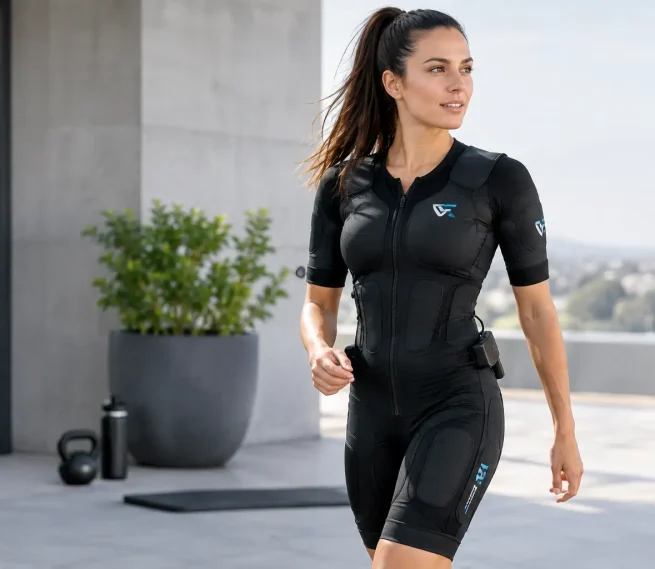
Thirty minutes can be the difference between a training plan you actually keep and another gym membership that quietly gathers dust. That is why EMS pricing deserves a closer look than simply comparing the cost of one session with a standard gym monthly direct debit. You are not paying to be left alone with equipment. You are investing in focused coaching, technology-led training and a plan built around the result you want.
For busy professionals, parents and anyone managing aches, mobility restrictions or an inconsistent routine, value is measured in more than pounds per workout. It is measured in time saved, confidence gained and progress you can see.
What EMS pricing should include
Electro Muscle Stimulation training uses wearable equipment to stimulate major muscle groups while you perform coached movements. The session itself is short, but it is not designed to be a quick fix or a casual drop-in workout. Done properly, EMS is a personalised training service.
That is why prices vary between studios. A premium EMS session should account for your trainer’s time before, during and after the workout, as well as the equipment, hygiene procedures, programming and progress tracking behind it. In a coaching-led studio, your trainer is adjusting the session to your ability, movement quality, goals and feedback in real time.
If fat loss is your goal, your programme may focus on consistency, muscular conditioning and habits that support body-composition change. If you are returning after back pain or a long break from exercise, the emphasis may be on controlled movement, posture, mobility and gradually rebuilding confidence. A runner, golfer or combat athlete may need a different balance of strength, stability and recovery work.
The point is simple: the best EMS pricing reflects a service, not just access to a suit.
Why one EMS studio may cost more than another
It is tempting to compare every option by the headline session price. But two 30-minute EMS appointments can deliver very different experiences. The lower price is not automatically poor value, and the higher price is not automatically justified. Ask what is genuinely included.
Trainer expertise and individual attention
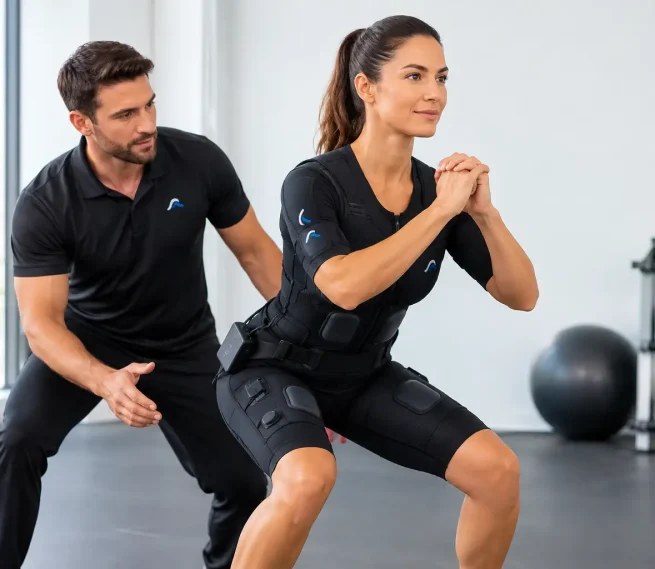
EMS training changes the way a workout is delivered. The electrical impulse needs to be managed appropriately, while your trainer still coaches your technique, breathing, range of movement and effort. A session with close, knowledgeable support is especially valuable for beginners, people with movement limitations and clients pursuing a specific performance goal.
Small-group training can offer a more accessible price point while retaining energy, coaching and accountability. However, it is worth checking the group size. Training with up to eight people can still feel purposeful when the session is well structured and trainers can see how each person is moving. If you need rehabilitation-focused support or have a complex goal, one-to-one coaching may be the better fit.
Assessment and measurable progress
A good starting assessment helps turn enthusiasm into a plan. This may include discussing your training history, current activity levels, injuries, lifestyle and target outcome. Studios that use 3D body scanning can also give you a clearer baseline for body measurements and composition trends over time.
That matters because the scales can be misleading. You may be getting stronger, improving posture and building lean tissue while your total body weight changes slowly. Progress photos, measurements, performance markers and how your clothes fit often tell a more complete story.
When comparing packages, ask whether assessment and review appointments are included. They are not an optional extra if you want your programme to keep moving forwards.
Equipment, safety and studio standards
Professional EMS systems, properly maintained suits and clean changing facilities all carry operating costs. So does keeping sessions appropriately spaced and equipment hygienic. These details may not be the most exciting part of a price list, but they affect your experience every week.
Safety also matters. EMS is not suitable for everyone, and a responsible studio should ask about relevant medical conditions, implanted devices, pregnancy and recent injuries before training begins. Be cautious of any provider promising dramatic results without screening, assessment or an explanation of how the sessions will be progressed.
Packages usually offer better value than single sessions
A single session is useful if you want to experience EMS before committing. It gives you the chance to meet the coach, understand the sensation and see whether the environment feels right. But lasting changes in strength, fitness, mobility or body composition come from regular training, not one intense appointment.
This is where package pricing often makes more sense. A multi-session commitment can reduce the individual session cost and, more importantly, gives your coach enough time to build progression into the programme. You are more likely to establish a routine, refine technique and see meaningful changes when training becomes a protected part of the week.
Before signing up, make sure you understand how the package works. Ask how long you have to use the sessions, whether holidays or illness can be accommodated, and whether there is a realistic cancellation policy. Flexibility has value, particularly if your work diary changes at short notice or family life is full-on.
A low monthly figure can look attractive until you discover you are tied into a long contract you cannot use. Equally, a slightly higher package may be the smarter choice if it includes regular reviews, body scans, nutritional support or a structure that keeps you accountable.
How to judge the value, not just the price
The most useful question is not, “What is the cheapest EMS option near me?” It is, “What will give me the best chance of following through?”
Think honestly about what has held you back before. If you already know exactly what to do and consistently train alone, a conventional gym may be enough. If you need an appointment in the diary, clear guidance and someone who notices when you have stopped challenging yourself, coached EMS can offer a very different return.
Consider the time equation too. A 30-minute studio appointment may suit someone who cannot realistically fit in several long gym visits each week. That does not mean one EMS session magically replaces every form of movement. Walking, cardiovascular work, mobility practice, sport and recovery all have their place. It means your strength-focused training can be efficient and deliberately planned.
At E-Pulse Studio, that structure is central to the experience: focused EMS sessions supported by trainers who know your goals, progress tracking and a programme that can adapt as your fitness improves.
Questions worth asking before you buy
A confident decision starts with a clear conversation. Ask whether the first session includes a consultation and movement assessment, how your programme will be personalised, and how often your progress will be reviewed. Find out whether body scanning is part of the package or charged separately.
You should also ask what happens if you have a flare-up of pain, a demanding travel period or a change in your goal. The right studio will not force the same workout on every client. It will modify the plan while keeping you moving forwards safely.
Finally, ask what results are realistic for someone in your position. Be wary of guaranteed transformations and extreme before-and-after promises. Strong outcomes depend on your starting point, attendance, sleep, nutrition, daily activity and willingness to follow the plan outside the studio. A good coach will be positive about what is possible without pretending every body responds in exactly the same way.
Making your investment work harder
Once you choose a package, treat each session as an appointment with your future self. Arrive hydrated, tell your trainer how your body feels and be honest about stress, sleep or any discomfort. That information helps them coach you well.
Use your check-ins too. If your goal is to feel stronger, ask for performance measures. If it is body recomposition, look beyond a single weigh-in and review your scans, measurements and consistency. If it is less back discomfort or better mobility, notice practical wins: climbing stairs more easily, sitting more comfortably or returning to activities you had started avoiding.
The right EMS pricing should feel clear, fair and connected to the support you receive. Choose the option that makes regular, intelligently coached training realistic for your life – then give that plan enough consistency to prove what you can do.
 7min