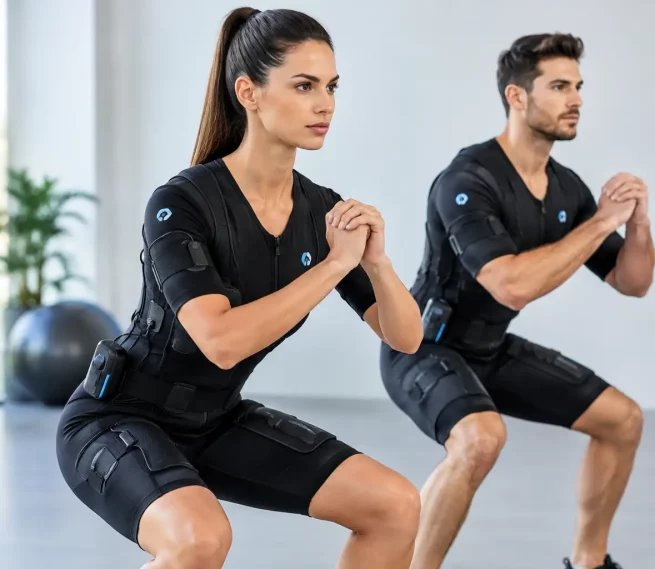
A runner who fades in the final kilometres, a golfer whose back tightens after 18 holes, or a combat athlete who cannot fit another two-hour gym session into the week all want the same thing: progress that shows up where it counts. EMS athlete results are not about replacing sport practice with a shortcut. They are about making high-quality strength, conditioning and recovery work possible when time, consistency or physical restrictions are getting in the way.
At E-Pulse Studio, the focus is on coached, measurable training. A 30-minute EMS session can be demanding, targeted and highly efficient, but the best outcomes come from matching the programme to the athlete, their sport and their current capacity. That distinction matters.
What do EMS athlete results actually look like?
The first changes are often felt before they are seen. Athletes commonly notice that movements feel more stable, posture is easier to hold and everyday stiffness is less distracting. A stronger trunk, better glute engagement and improved awareness of how the body is moving can make a real difference to running form, lifting technique, rotational sports and general resilience.
Over several weeks, the visible and performance-based changes may include improved muscle tone, increased strength, better work capacity and changes in body composition. For an athlete returning after a lay-off, the result might be rebuilding confidence in a squat pattern without spending hours under a barbell. For a busy footballer or runner, it may be maintaining strength through a packed work period while continuing sport-specific sessions.
Results are individual. Someone with a strong training history may use EMS to address weak links and add quality to an already structured programme. A beginner may see a faster improvement in basic strength and movement control because they are finally training consistently with expert guidance. The starting point changes the outcome.
Why EMS can support athletic performance
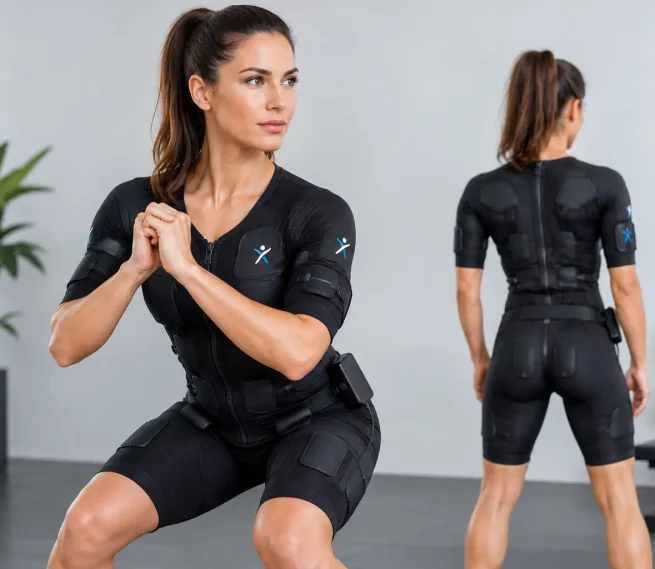
EMS training uses controlled electrical impulses to stimulate muscles while you perform coached movements. The suit allows multiple major muscle groups to work at the same time, including areas that can be difficult to engage well when technique, fatigue or poor movement habits take over.
That does not mean the machine does the work for you. You still brace, squat, hinge, push, pull and move with purpose. The difference is the level of muscular recruitment and the precision a trainer can bring to each session. Intensity is adjusted according to the individual, not set at one aggressive level for everyone.
For athletes, this can be especially useful when the goal is to build strength with low external loading. Heavy weights have a place, but they are not always the right answer. During a busy competition schedule, when joints are irritated, or when an athlete is building back after time away, a coached EMS session can create a strong training stimulus without adding another long, high-impact workout.
Strength without unnecessary gym volume
A well-designed programme targets the foundations that feed into performance: legs that can produce force, a trunk that can transfer it, shoulders that can stay controlled, and hips that move properly. This is valuable whether the goal is a more powerful drive off the tee, stronger acceleration, or simply feeling capable during a demanding training week.
The time saving is not just about a shorter appointment. It is about reducing the friction that causes training plans to fail. If a professional can commit to one or two purposeful 30-minute sessions every week, that is more useful than a five-day gym plan that only happens twice a month.
Conditioning that respects the bigger picture
Better conditioning does not always mean piling on more miles, circuits or exhausting finishers. EMS can support overall work capacity while keeping a programme manageable. For endurance athletes, it may complement running, cycling or rowing by strengthening the muscles that hold form together as fatigue rises. For team-sport players, it can help maintain a strength base alongside drills, matches and recovery demands.
It depends on the training phase. In the build-up to an event, an athlete may prioritise quality movement, strength and controlled conditioning. In a heavy race or match period, the programme may need to become shorter, lighter or more recovery-led. Smart coaching is knowing when to push and when not to.
The results athletes should measure
The mirror can be motivating, but it is not the full scorecard. Strong EMS athlete results are best tracked through both objective data and real-life performance. At E-Pulse Studio, 3D body scanning can show changes in body composition and shape over time, while regular reviews keep training focused on the goal rather than guesswork.
Performance markers are just as valuable. A runner may track how their legs feel late in a long run, their ability to hold pace, or whether niggles are less frequent. A golfer may notice improved rotation and fewer aches after playing. Someone training for combat sport may measure better control, power or confidence through key movement patterns.
Pay attention to recovery as well. Improved sleep, less post-training soreness and a body that feels ready to train again can be meaningful signs that the programme is working. They are not a licence to train recklessly, but they can help an athlete build productive consistency.
What a realistic timeline looks like
The first two to four weeks are usually about learning the stimulus and moving well under it. Sessions may feel surprisingly intense, particularly for people who have not trained consistently. Early progress is often neurological and practical: better coordination, improved muscle activation and greater confidence in movements that previously felt weak or awkward.
Between weeks four and eight, many clients begin to notice clearer changes in strength, posture, tone and stamina. This is also the point where attendance becomes decisive. One excellent session followed by several missed weeks will not create a reliable result. Regular training, enough protein, sensible nutrition, sleep and recovery all influence what the body can do with the work.
Over 8 to 12 weeks, a personalised programme can create a more meaningful body transformation or performance shift, particularly when it sits alongside sport practice and a realistic lifestyle plan. The goal is not to promise that every athlete will hit the same number on the scales or produce the same personal best. The goal is a stronger, more capable body that is easier to train consistently.
Where EMS fits – and where it does not
EMS is a powerful training tool, not a replacement for the skill demands of sport. A runner still needs to run. A tennis player still needs court time. A boxer still needs technical coaching, sparring and conditioning specific to the ring. The strongest programmes use EMS as part of the picture rather than asking it to do every job.
It is also not appropriate to ignore pain. Some people come to EMS because conventional gym training has become uncomfortable or overwhelming. That can be a sensible starting point, but pain needs proper attention. Trainers can adapt movements and intensity, while persistent, severe or unexplained symptoms should be assessed by an appropriate healthcare professional. Medical clearance may also be needed for certain health conditions.
The quality of coaching matters here. A premium EMS session should never be a rushed suit-up and a generic circuit. It should involve a conversation about your goals, training history, sleep, stress, injuries and upcoming events, followed by precise adjustments as your body adapts.
Turning a 30-minute session into a performance advantage
The athletes who get the most from EMS arrive with a clear reason for being there. That reason might be getting through a half marathon without back tightness, adding lean muscle without living in the gym, or rebuilding strength after an inconsistent year. A specific target gives each session direction.
Come ready to work, but do not chase maximum intensity every time. More stimulation is not automatically better stimulation. Honest feedback about fatigue, soreness and sport commitments allows your trainer to set the right challenge on the day. Then support the session with the basics outside the studio: nourishing meals, adequate hydration, quality sleep and recovery that matches your workload.
For busy athletes in Peterborough and Upminster, that combination can turn a short slot in the diary into a genuine performance habit. Book a coached session with a goal in mind, track what changes, and let the evidence from your own body shape the next step.
 7min
7min