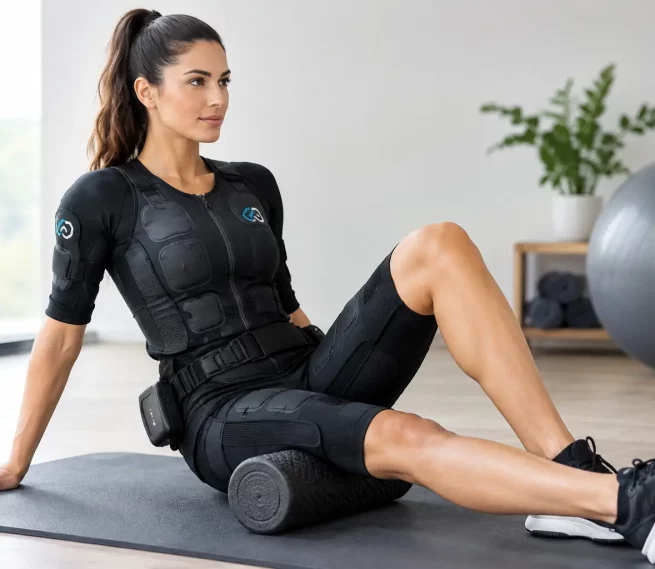
A hard workout should challenge your muscles, not leave your knees, back or shoulders paying for it for days. The best low impact strength workouts give you a productive route to getting stronger without relying on jumping, pounding the pavement or chasing exhaustion. For busy people balancing work, family and a body that may already feel tight or sore, that difference matters.
Low impact does not mean low effort. It means choosing movements and training methods that limit excessive joint impact while still giving muscles enough resistance, control and progression to adapt. Done well, it can support fat loss, better posture, improved mobility and genuine strength gains – without turning every session into a recovery problem.
What makes strength training low impact?
Impact is the force created when your body repeatedly hits the ground, as it does during running, box jumps or burpees. Low-impact strength work keeps at least one foot supported or removes that landing force altogether. Think controlled squats, resistance exercises, sled work, cycling, Pilates-inspired strength patterns and coached EMS training.
That does not automatically make an exercise suitable for everyone. A deep squat may be low impact but still uncomfortable for someone with limited ankle mobility or an irritated knee. A plank has no impact, yet it may aggravate a sensitive shoulder. The right workout starts with your movement, injury history, confidence and goals, not a generic online circuit.
The key ingredients are simple: enough resistance to challenge the muscles, clean technique, a manageable range of motion and gradual progression. You should finish feeling that you worked, not that your joints were battered.
The best low impact strength workouts for real results
Controlled resistance training
Traditional strength training is one of the most effective low-impact options when it is programmed well. Exercises such as goblet squats to a box, Romanian deadlifts, seated rows, chest presses, split squats with support and loaded carries can train the whole body without explosive landings.
The benefit is precision. You can slow the movement down, reduce the range, change the load and build confidence week by week. For a beginner, a bodyweight sit-to-stand may be the right starting point. For someone already experienced, heavier dumbbells, cables or barbells can keep the training stimulus high.
The trade-off is time and technical focus. Good strength sessions need preparation, appropriate equipment and progression. If you only have 30 minutes, moving from machine to machine in a busy gym can easily turn into more waiting than training.
Resistance bands and cable work
Bands and cables are joint-friendly tools with serious potential. They create resistance without requiring heavy external loads and work especially well for rows, presses, pull-aparts, glute bridges, hamstring curls and anti-rotation core exercises.
They are useful for people rebuilding consistency after time away, as well as runners, golfers and combat athletes who need to strengthen specific patterns without adding more impact to their week. Bands also encourage control through the full movement, which can expose weak positions that momentum usually hides.
The limitation is that progression can become vague if you simply grab a different band whenever an exercise feels easy. Track your resistance, repetitions, tempo and quality of movement. Measurable progress is still the goal.
Pilates-based strength sessions
Pilates is often associated with flexibility, but a well-designed session can build meaningful strength in the trunk, hips, shoulders and legs. Slow leg lowers, bridges, side-lying hip work, controlled lunges and loaded reformer exercises challenge stability and muscular endurance while keeping impact low.
This style suits people who feel disconnected from their core, struggle with posture after long hours at a desk or want to move with more control. It can be an excellent complement to heavier training too, particularly when mobility and coordination are holding back your lifts.
Pilates alone may not provide enough progressive resistance for someone whose main aim is major muscle gain. Use it as a foundation or combine it with external resistance for a more complete strength plan.
Swimming and water resistance training
Water reduces impact dramatically while adding resistance in every direction. Swimming, aqua circuits and water-based strength movements can be valuable for people managing joint discomfort, carrying more body weight or returning to exercise after a long break.
The water is supportive, but the session can still be demanding. Walking lunges, push-pull movements, kicks and interval swimming can raise your heart rate while developing strength endurance. It is also a strong recovery-day choice when land-based training feels too much.
Access, technique and progression are the practical hurdles. A casual swim is not automatically a strength session, so it helps to follow a clear plan rather than simply doing a few lengths at an easy pace.
Low-impact circuit training
A well-coached circuit can deliver strength and fitness without jumping. You might combine a squat variation, rowing movement, press, hip hinge, farmer’s carry and dead-bug core exercise, working through them with controlled rest periods.
This approach is ideal when time is tight because it trains multiple qualities in one session. The mistake is assuming fast always means effective. Rushing poor form through 40 seconds of work can turn a sensible circuit into a noisy, uncomfortable session. Choose a pace that lets you own each repetition.
For most people, two or three full-body sessions each week is enough to make progress when the exercises are challenging and consistently progressed.
EMS personal training
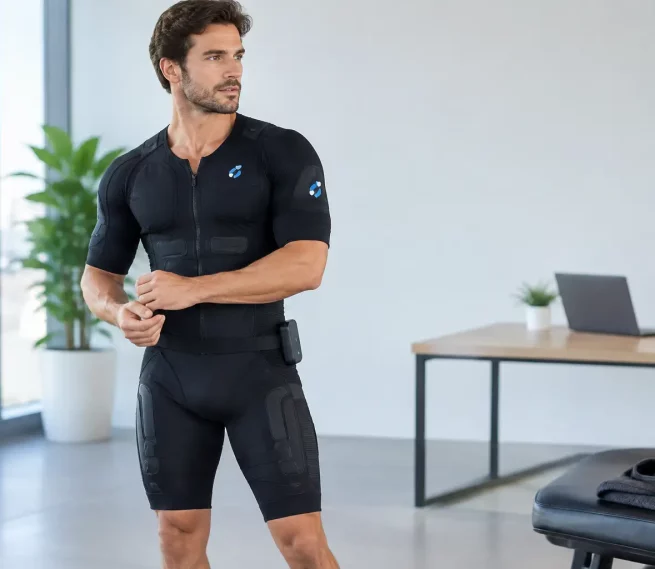
EMS training is a highly time-efficient option for adults who want structured strength work with close coaching. During an EMS session, electrical impulses stimulate muscle contractions while you perform controlled bodyweight or resistance movements. At E-Pulse Studio, sessions are trainer-led and designed around individual ability, mobility and goals.
For busy professionals and parents, the appeal is straightforward: a focused 30-minute session can train major muscle groups without the impact of running or jumping. It can be particularly useful for building confidence with movement, supporting postural strength and maintaining a consistent routine when long gym sessions are unrealistic.
EMS is not a shortcut around effort, and it is not appropriate for every person or medical situation. Screening, correct intensity and qualified supervision matter. It works best as part of a wider plan that includes day-to-day movement, adequate protein, sleep and recovery.
How to make low-impact training challenging enough
Your muscles do not care whether you jumped. They respond to tension, effort and progressive overload. To keep low-impact workouts effective, increase one variable at a time: resistance, repetitions, range of motion, slower tempo, stability demands or total quality work completed.
A simple example is a squat to a bench. Begin with bodyweight and a comfortable height. Progress by holding a dumbbell, lowering the bench slightly, taking three seconds to lower or adding another well-executed set. Each step builds capability without needing impact.
Aim to work close enough to fatigue that the final few repetitions feel demanding while your technique remains controlled. If you could comfortably keep going for another 15 reps, the exercise is probably too easy for strength development. If pain changes your movement or feels sharp, stop and adjust rather than trying to push through.
A practical weekly approach
For a sustainable routine, train strength two to three times a week, with recovery between demanding sessions. Include a lower-body movement, hip hinge, push, pull, core exercise and some form of carry or balance work across the week. Add walking, cycling, swimming or gentle mobility on other days if it helps you feel better and supports your fitness.
If you have ongoing pain, have recently had surgery, are pregnant or have a medical condition, get appropriate medical advice before starting a new programme. A capable coach can then help you find training options that respect those boundaries while still moving you forwards.
The best session is not the one that looks most extreme online. It is the one you can perform well, recover from and repeat long enough to see your posture improve, your strength rise and everyday life start to feel easier.
 7min
7min