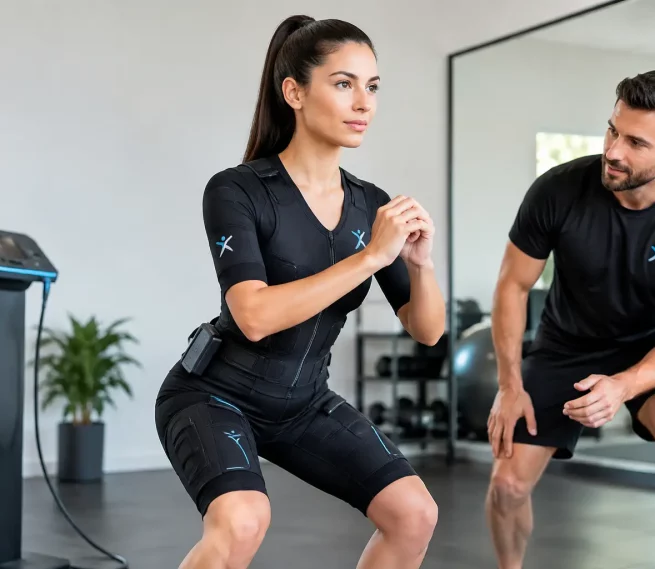
A lot of people ask is EMS training safe right after they hear one key detail – it can make a 20-minute session feel far more intense than a much longer gym workout. That reaction is fair. If a method is designed to recruit more muscle fibres in less time, safety should be the first question, not an afterthought.
The short answer is yes, EMS training can be safe when it is delivered properly, with the right screening, sensible intensity, and close coaching. The longer answer matters more, because EMS is not something that should be treated like a fad gadget or a quick fix. Used well, it is a highly efficient training method. Used badly, like any demanding form of exercise, it can be too much.
Is EMS training safe for most people?
For most healthy adults, EMS training is safe when sessions are supervised and the programme is tailored to the individual. That means your starting point, injury history, current fitness, recovery capacity, and goals all need to be considered before the suit is switched on.
This is where professional coaching makes a genuine difference. EMS is powerful because it adds electrical stimulation to voluntary movement. That combination can help you train muscles deeply and efficiently, but it also means intensity needs to be managed with care. More is not always better. In fact, one of the biggest signs of safe EMS training is restraint – especially in the first few sessions.
At a well-run studio, you should expect a proper consultation, health screening, and gradual progression. If someone is promising maximum intensity from day one, that is not smart coaching. It is poor judgement.
Why EMS gets questioned more than conventional training
People rarely ask whether a rushed gym session with bad lifting technique is safe, even though poor form under load causes injuries every day. EMS gets more scrutiny because it is newer, more technical, and feels different.
That extra scrutiny is actually useful. It pushes good studios to work to a higher standard. The safest EMS environments are coach-led, not self-service. The trainer watches movement quality, adjusts the impulse level for each muscle group, checks how you are coping, and keeps the session within an appropriate training dose.
This matters for beginners, but it matters just as much for fit clients. Stronger or more motivated people often need more guidance, not less, because they are more likely to push too hard too soon.
What makes EMS training safe in practice
Safe EMS training is built on four things: screening, supervision, progression, and recovery. Miss one of those, and the quality of the session drops.
Screening comes first. A good coach needs to know about medical conditions, injuries, surgery, pain, training history, medication, and general lifestyle stress. Someone who sleeps poorly, works long hours, and has not exercised consistently for months should not be trained in the same way as a conditioned runner or athlete.
Supervision is non-negotiable. EMS should not feel like being left alone with a machine. The trainer should be actively coaching your technique, adjusting intensity, and checking effort throughout the session. The suit is only part of the system. The coaching is what makes the system safe and effective.
Progression keeps the body adapting without being overwhelmed. Sessions should start at a manageable level and build over time. That approach tends to produce better results anyway, because consistency beats one heroic workout followed by five days of soreness.
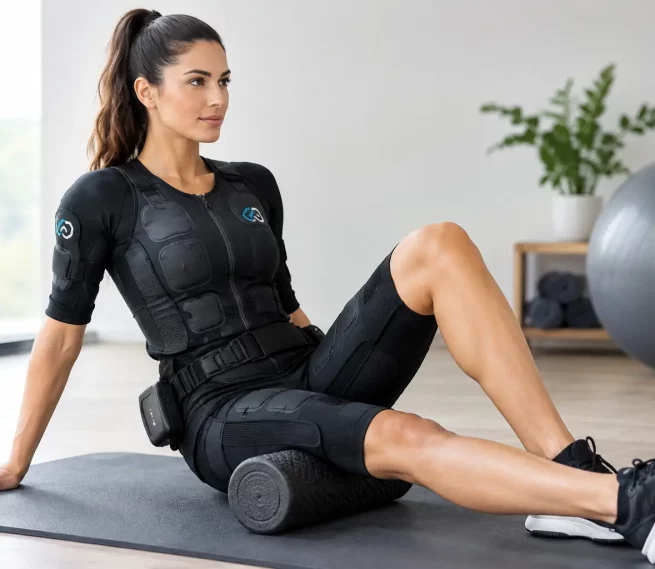
Recovery is where a lot of people get this wrong. EMS is efficient, but efficient does not mean effortless. Your muscles still need time to repair and adapt. Overloading sessions too close together, especially in the early stages, is not a badge of commitment. It is usually a sign that the programme is not being managed properly.
Who should take extra care?
There are some people who should not use EMS, and others who should only do so with medical clearance and a very carefully controlled programme. Exact contraindications can vary depending on the system used and personal medical history, but common red-flag situations include people with pacemakers or certain implanted electrical devices, pregnancy, epilepsy, acute illness, fever, active thrombosis, or serious circulatory concerns.
There are also grey areas where the answer is not automatically no, but it is definitely not casual. If someone has chronic pain, postural issues, previous injuries, or a long break from exercise, EMS can be very useful, but only if the coach understands how to work around those factors.
That is why a proper consultation matters so much. Good coaching does not force everyone into the same session. It adjusts the session to the person in front of you.
Is EMS training safe for beginners?
Yes, and in many cases beginners do very well with EMS because the format is structured, time-efficient, and fully guided. For busy professionals and parents, that structure can be the difference between exercising regularly and not exercising at all.
The key is ego-free training. Beginners should not chase the strongest sensation or compare their settings with anyone else. A safe first phase is about learning movement patterns, understanding the feeling of stimulation, and building tolerance gradually.
This is one reason many clients stick with coach-led EMS. They are not trying to work everything out alone. They know someone is there to fine-tune the session, keep standards high, and make sure each workout is productive rather than punishing.
What about soreness and side effects?
Some muscle soreness can be normal, especially when you are new to EMS or returning after time away from training. That does not mean the session was unsafe. It means your muscles were challenged.
What matters is the level of soreness and the overall response. Mild to moderate post-session fatigue is common. Severe soreness, prolonged exhaustion, dizziness, nausea, or symptoms that feel out of proportion are signs that training intensity may have been too high or recovery has not been respected.
Hydration, nutrition, sleep, and session spacing all matter here. So does honesty. If a session felt too intense, a good trainer wants to know. The goal is long-term progress, not surviving the workout.
There has also been discussion around the risk of rhabdomyolysis with overly intense EMS use. That risk is one reason professional standards matter. It is rare, but it is serious, and it is typically associated with excessive intensity, poor programming, or unsupervised use. In other words, the issue is not EMS itself. The issue is misuse.
Why coached EMS is very different from DIY EMS
This is probably the most important distinction in the whole conversation. When people ask is EMS training safe, they are often lumping together very different things – premium supervised sessions, home toning gadgets, and unsupervised commercial systems.
Those are not the same experience.
In a coached studio setting, the session is designed around movement quality, controlled intensity, and your response in real time. The trainer can see if your squat is shifting, if your posture is dipping, or if your effort level is climbing too fast. They can adjust instantly.
With DIY use, that layer of protection is missing. That is where people are more likely to overdo it, use poor technique, or ignore warning signs. The technology is only as safe as the way it is applied.
Is EMS training safe for fat loss, strength and recovery goals?
In the right setting, yes. EMS can support body recomposition, muscle tone, strength development, posture work, and return-to-exercise programmes. It can also be helpful for people who want a lower-impact training option while still getting a challenging session.
That said, the safest and most effective use of EMS depends on the goal. A fat-loss client who is deconditioned may need a very different plan from a runner looking to improve power output or someone managing recurring back discomfort. The settings, exercises, frequency, and progression should all reflect that.
This is where a premium studio model earns its place. Personalisation is not a luxury extra. It is part of the safety framework.
At E-Pulse Studio, that coach-led approach is exactly what gives clients confidence. They are not left guessing whether they are doing too much or too little. They are guided session by session, with clear progression and measurable feedback.
The real answer to is EMS training safe
Yes – if it is supervised, personalised, and progressed properly. No – if it is treated like a shortcut, pushed too hard, or used without proper screening and coaching.
That might sound less dramatic than the bold claims you sometimes see online, but it is the truth. Safe training is not about flashy promises. It is about doing the right amount, in the right way, for the right person.
If you are considering EMS, ask better questions than simply whether it works. Ask who is coaching you, how they assess suitability, how they manage progression, and what they do if something does not feel right. That is where confidence comes from.
The best training methods are not the ones that leave you wrecked. They are the ones that help you get stronger, move better, and stay consistent enough to see real change.
 7min
7min