A fighter can be technically sharp, fit on pads and strong in the gym, then still feel flat when the rounds get messy. That gap matters. EMS training for combat athletes gets attention for exactly that reason – it promises more muscle recruitment, less time in the gym, and support for strength and recovery without adding another long session to an already crowded week.
For boxers, MMA fighters, kickboxers, wrestlers and grapplers, the appeal is obvious. Combat sport training is demanding on the joints, nervous system and schedule. You need skill work, conditioning, mobility, sparring, recovery and often weight management as well. Anything that helps you build or maintain physical qualities efficiently is worth a serious look. The key question is not whether EMS is magic. It is whether it fits your programme and your current needs.
What EMS training for combat athletes actually does
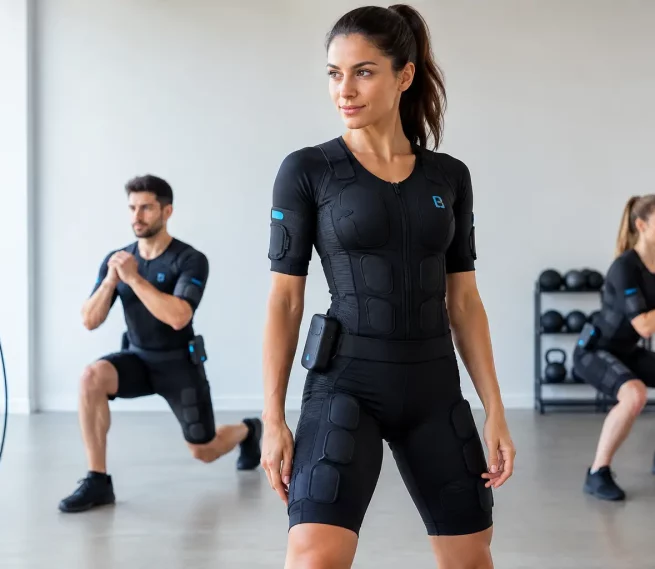
EMS stands for Electro Muscle Stimulation. During a coached session, electrical impulses are delivered through a suit or targeted pads to stimulate muscle contractions while you perform guided movements. The sensation is unusual at first, but the goal is straightforward – increase muscle fibre recruitment and make relatively simple movements more demanding.
That matters for combat athletes because your sport asks for repeated force production under fatigue. You need to punch, kick, shoot, sprawl, clinch, rotate and brace, often while your posture is breaking down. A properly programmed EMS session can target key muscle groups involved in power, trunk stability, hip drive and postural control without the impact of road running or the heavy joint stress of constant lifting.
This is where many athletes get it wrong. EMS is not a replacement for combat training. It will not teach timing, distance management, shot defence or ringcraft. What it can do is support the physical engine behind those skills when used intelligently.
Where EMS helps most in combat sports
The biggest advantage is efficiency. Many combat athletes are already close to their limit in terms of training volume. Adding another full strength session can leave you sore, sluggish or under-recovered for sparring. EMS offers a way to train hard in a shorter window, which is especially useful for busy professionals, parents and amateur fighters balancing work with sport.
Strength endurance is one of the most practical areas. In a fight, it is not enough to be strong for one explosive effort. You need repeated high-quality efforts. EMS can help challenge muscles under controlled fatigue, which may support that ability to keep producing force deep into rounds.
Posture and trunk control are another major win. Fighters spend a lot of time in flexed positions – hands high, shoulders forward, chin tucked, hips loaded. Add grappling, desk work and driving, and you often see tight hips, overworked lower backs and rounded shoulders. A well-structured EMS programme can reinforce the trunk, glutes and upper back, helping athletes hold better positions and reduce wasted movement.
Recovery support also deserves a mention. Not every EMS session needs to feel brutal. Lower-intensity work can be used to stimulate circulation and support recovery between harder training days. That can be useful during heavy camps or for athletes carrying niggles who still want structured input.
Where the hype goes too far
Some claims around EMS drift into fantasy. Combat athletes should be wary of any method sold as a shortcut to fight performance on its own. If your technique is poor, your pacing is wrong or your sleep and nutrition are all over the place, EMS will not rescue your performance.
There is also the issue of specificity. Sport performance is specific to the movement, speed, position and energy demands of the sport itself. Punching power improves through better mechanics, rate of force development, rotational strength and technical efficiency. Takedown success depends on timing, level change, grip, positioning and decision-making. EMS can support the physical side, but it cannot fully replicate those sporting demands.
It also depends on the athlete. A novice who has never followed a proper strength programme may make excellent progress with conventional resistance training alone. An experienced fighter with limited time, recurring joint strain or a need for low-impact loading may get more immediate value from EMS. Context changes everything.
How to use EMS training for combat athletes properly
The best results usually come when EMS is treated as part of a wider performance plan, not a stand-alone fix. If you are in a technical development phase, EMS might sit alongside regular skill sessions and mobility work to improve general strength and movement quality. If you are approaching competition, the focus may shift towards maintaining output while managing fatigue.
A good coach will adjust intensity around your fight schedule. There is no sense smashing your legs the day before hard sparring or overloading your trunk when you are already carrying fatigue from wrestling. The session should match what your week actually looks like.
For many combat athletes, one or two EMS sessions a week is enough. That is usually plenty when combined with pad work, drilling, sparring and conditioning. More is not automatically better, especially in a sport where recovery is often the real bottleneck.
Exercise selection matters as well. The most useful sessions tend to focus on athletic basics – squat patterns, hinge patterns, split stance work, rotational control, anti-rotation, upper-body pushing and pulling, and controlled core engagement. Simple does not mean easy. Under EMS load, well-coached basics become highly demanding very quickly.
Weight cuts, fatigue and overtraining
This is one area where honest coaching matters. Combat athletes often train hard while under-fuelled, dehydrated or stressed from making weight. In that state, even efficient training can become too much if it is badly timed.
EMS may be a smart option when you want a strong training effect without spending another hour grinding through traditional gym work. But during an aggressive cut or a high-fatigue phase, intensity still needs to be controlled. Recovery markers matter. Sleep quality, soreness, mood, appetite and sparring sharpness tell you more than bravado ever will.
A fighter who feels constantly heavy-legged, irritable and flat does not always need more work. Sometimes they need better sequencing and less training noise. That is where coached EMS has an advantage over random extra sessions – it can be programmed with purpose rather than piled on top.
Injury history and return to performance
Many combat athletes carry wear and tear. Sore knees from years of kicking and wrestling, lower-back stiffness from clinch work, shoulder issues from punching volume – none of this is unusual. EMS can be particularly valuable here because it allows targeted muscular work with relatively low external loading.
That does not make it rehabilitation in every case, and it should never replace medical advice when there is a genuine injury. But for athletes rebuilding confidence, restoring muscle activation or training around impact-related discomfort, it can be a useful bridge between rest and full performance training.
This is often where clients notice the difference between a self-service approach and a coached studio model. Personalisation matters. The right settings, the right movement choices and the right progression can make the session productive instead of punishing.
What a realistic result looks like
The most realistic benefit is not overnight transformation. It is better support around your actual sport. That might mean stronger posture in later rounds, improved muscular endurance in the clinch, less lower-back fatigue after pad sessions, or the ability to maintain strength while your schedule is packed.
Some athletes also notice body composition changes, especially when EMS is paired with sensible nutrition and consistent training. That can be useful when moving towards a weight class with more control and less crash dieting. But aesthetics should stay secondary to performance if fighting is the goal.
At E-Pulse Studio, that measured approach is exactly what tends to get results – guided sessions, individual programming and progress tracked against real-world goals rather than gimmicks. For combat athletes, that means focusing on what helps you move, recover and perform better, not what simply looks intense on social media.
Is it worth it?
For the right athlete, yes. EMS training can be a smart addition for combat athletes who need efficient strength work, extra support for recovery, lower-impact loading or more structure around a busy week. It is especially useful when time is limited but performance still matters.
But it is not a shortcut past the basics. Technical practice, smart conditioning, sleep, nutrition and proper coaching still sit at the centre of fight performance. EMS works best when it respects that reality.
If you are a combat athlete wondering whether to try it, ask a simple question first: what problem are you trying to solve? If the answer is lack of time, recurring fatigue from too much gym work, or the need to build strength without adding joint stress, EMS may be a very good fit. Used with intent, it can help you arrive at your next session feeling more prepared, not more battered.
And in combat sport, that edge counts.
 7min
7min